Choosing an electric vehicle in 2026 is no longer only about acceleration, styling, or technology. It is about matching transportation with daily habits, home conditions, and personal priorities.
Jim Farley, Ford’s chief executive, has said, “The future of transportation is electric.” That future already appears in ordinary routines: a vehicle charging beside a suburban garage, a quiet school run, or a planned stop beside a highway charger. Yet the best electric vehicle lifestyle is not identical for every buyer. A city driver may value a compact model, easy parking, and dependable workplace charging. A rural household may need longer range, stronger winter performance, and a practical backup plan. Apartment residents face different questions, especially when private charging is unavailable.
Small details matter.
This guide examines the 2026 choices that shape ownership beyond the showroom. It considers charging access, electricity costs, battery range, repair support, cargo needs, road-trip planning, and environmental goals. It also recognises uncomfortable realities. Public charging can still be inconsistent. Cold weather may reduce range. Battery production carries environmental impacts, even when electric driving lowers tailpipe emissions. Buyers should compare local energy prices, charging networks, warranty terms, and real driving conditions before deciding.
There is no perfect vehicle. There is only a more suitable one. A careful electric vehicle lifestyle balances convenience, affordability, responsibility, and honest expectations.
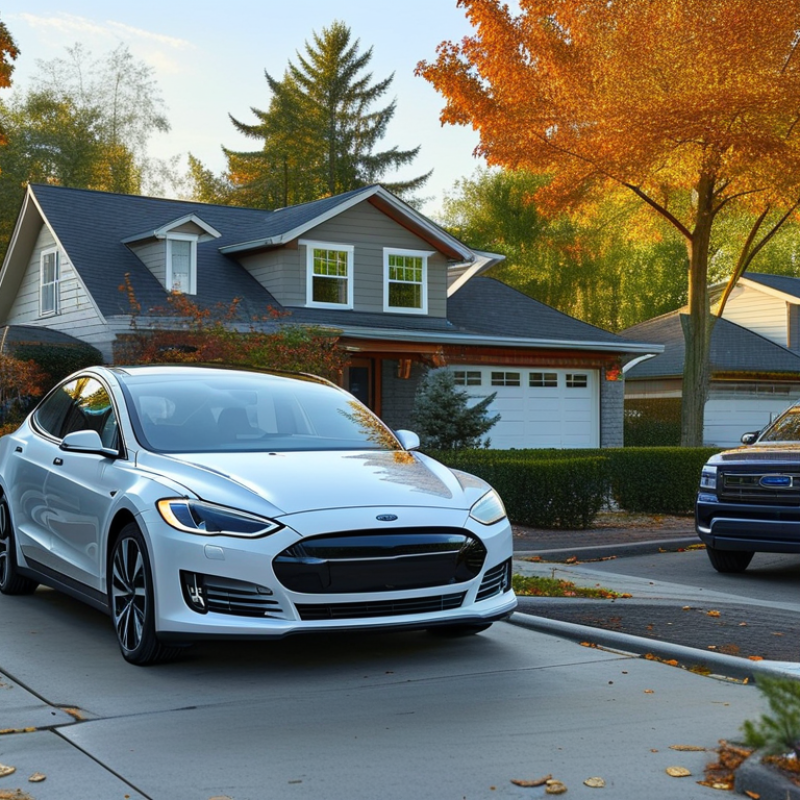
An electric vehicle lifestyle in 2026 is more than replacing gasoline with electricity. It changes how people plan mornings, errands, and long trips. A driver may check home energy prices before leaving, schedule charging overnight, and choose a supermarket with reliable public chargers. The experience feels quieter and more deliberate. It also exposes weak habits. I once underestimated a winter trip because the dashboard range looked comfortable. Cold weather, heating, and traffic reduced that margin quickly. That mistake taught me to plan with a reserve, not optimism.
Responsible buyers should study the entire routine, not only acceleration or screen features. Measure daily distance, parking access, electrical capacity, and local charger reliability. A certified electrician can assess whether home wiring supports regular charging. Independent efficiency tests and official safety guidance deserve more trust than dramatic online claims. Battery care matters too. Moderate charging habits, sensible tire pressure, and software updates can support predictable performance. Still, no vehicle fits every household. Apartment residents, heavy-distance workers, and families without dependable charging may need different solutions.
Tips:
Keep a written weekly charging plan for the first month. Record energy use, charging time, weather, and unexpected delays. Carry a basic cable, but verify its compatibility before traveling. Learn emergency procedures while parked, not during a stressful roadside stop. Leave extra time for public charging. Convenience is not guaranteed. Review electricity bills after several weeks, because real costs may differ from estimates. A sustainable lifestyle also includes driving less when walking, cycling, or public transport works better.
What Defines an Electric Vehicle Lifestyle in 2026?
Electric vehicles are becoming part of mainstream mobility. The global share of electric cars in new vehicle sales increased from approximately 4% in 2020 to more than 20% in 2024. For buyers in 2026, the most practical lifestyle fit usually combines access to convenient charging, predictable daily driving, and an openness to planning longer journeys around charging stops.
Source: International Energy Agency, Global EV Outlook reports. Values are rounded global estimates for electric-car share of new car sales.
Choosing an electric vehicle starts with your routine, not its dashboard technology. Measure your weekday distance for two weeks. Include school runs, traffic, weather, and unexpected errands. A compact battery vehicle may suit a city driver covering 25 miles daily. It can be easier to park and cheaper to charge at home. I once underestimated grocery detours. That mistake changed my range calculation.
Drivers without private parking need a different plan. Check public charger locations near work, supermarkets, and overnight parking. A longer-range vehicle cannot solve unreliable access. Speak with the property manager before buying. Confirm connector compatibility, charging hours, and possible parking fees. These details often matter more than a glossy efficiency figure. Home charging remains convenient, but installation depends on local electrical capacity and regulations.
Families and frequent travelers should compare usable cargo space, rear-seat comfort, and charging speed. Test the vehicle with a stroller, luggage, or sports equipment. Sit inside for ten minutes. It reveals problems that specifications hide. Cold weather can reduce efficiency, while heating uses additional energy. Leave a practical buffer instead of trusting maximum range. I still prefer a larger buffer than some experts recommend, and I may be overly cautious. Yet arriving with energy to spare feels less stressful.
2026 Best Electric Vehicle Lifestyle Choices for Buyers?
Charging, Range, and Energy Planning for EV Owners
Choosing an electric vehicle in 2026 means planning energy, not only comparing driving range. The International Energy Agency reported over 17 million electric car sales worldwide in 2024. That growth makes home charging more important for daily convenience. A driveway charger can refill energy overnight, while apartment residents may need workplace or public alternatives.
Think in weekly patterns. Record your usual commute, school trips, shopping, and weekend travel. Then add a realistic winter margin. The U.S. Department of Energy warns that cold temperatures and cabin heating can reduce electric range. A full battery is not always a full day of flexibility. Keep twenty percent available for traffic, weather, and unexpected detours. It feels safer.
Public charging requires patience. The U.S. Department of Energy’s Alternative Fuels Data Center notes that charging speeds vary widely by equipment, vehicle, temperature, and battery condition. Fast charging may help during a long trip, but repeated stops can disrupt a tight schedule. I have found that planning around meal breaks works better than chasing the highest advertised speed. The imperfect part is household electricity planning. Charging after midnight may reduce costs under time-based tariffs, but it can overload a weak home circuit. Ask a qualified electrician to inspect the installation. Also compare local electricity rates, charger access, and renewable-energy options before buying. Range numbers are useful, but lived routines decide whether ownership feels simple.
Practical planning reference based on typical passenger EV specifications, common charging standards, and household driving patterns. Values are indicative planning ranges rather than model-specific promises.
| Planning Dimension | Typical Data Range | What the Figure Means | Best-Fit Lifestyle Choice | Owner Planning Recommendation |
|---|---|---|---|---|
| Daily driving distance | 30–70 km per day | A common weekday distance for commuting, errands, and school or family trips. | Home charging | Prioritize convenient overnight charging rather than choosing the largest battery solely for routine travel. |
| Annual driving distance | 12,000–18,000 km per year | A useful planning band for estimating electricity demand and charging frequency. | Most driving lifestyles | Estimate annual energy use with: annual distance × vehicle consumption ÷ 100. |
| Usable battery capacity | 50–65 kWh | Commonly suitable for urban and suburban use, with practical driving range often around 250–400 km depending on efficiency and weather. | City and suburban households | Allow a reserve of approximately 10–20% instead of planning to arrive at a charger with an empty battery. |
| Usable battery capacity | 70–85 kWh | Typically supports approximately 350–550 km of mixed-condition driving, subject to speed, temperature, terrain, and load. | Frequent regional travel | Useful when regular long trips make charging stops inconvenient or when home charging access is limited. |
| Large-battery planning | 90–110 kWh | Can provide extended range, but adds vehicle mass, purchase cost, and charging-energy demand. | High-mileage or long-distance users | Choose this capacity for a clear travel requirement, not simply as protection against occasional range anxiety. |
| Energy consumption | 15–18 kWh per 100 km | Efficient compact EV planning range under moderate conditions. | Urban and temperate-climate driving | At 15,000 km per year, expected vehicle energy is approximately 2,250–2,700 kWh before charging losses. |
| Energy consumption | 18–22 kWh per 100 km | Typical planning range for many vehicles in mixed driving. | General-purpose ownership | At 15,000 km per year, expected vehicle energy is approximately 2,700–3,300 kWh before charging losses. |
| Energy consumption | 22–28 kWh per 100 km | More likely with larger vehicles, high speeds, heavy loads, hills, cold weather, or frequent climate-control use. | Large-vehicle or demanding-use households | Budget additional electricity and expect shorter winter range than the official test-cycle figure. |
| Home AC charging | 2.3 kW portable supply | Approximately 2.3 kWh can be added per hour under suitable electrical conditions. | Low-mileage users with long parking periods | Use a properly rated circuit and avoid relying on an unsuitable extension cable. |
| Home AC charging | 7.2 kW dedicated charger | Approximately 7.2 kWh can be delivered per hour before charging losses and power limitations. | Most households with private parking | A 60 kWh battery replenished from 20% to 80% requires about 36 kWh, or roughly 5–6 hours in ideal conditions. |
| Three-phase AC charging | 11 kW typical planning level | Can add approximately 11 kWh per hour when the vehicle, charger, and electrical service all support it. | High-mileage users with compatible electrical service | Confirm vehicle acceptance rate and local electrical capacity; a higher-rated charger does not guarantee faster vehicle charging. |
| Public DC fast charging | 50 kW class | Useful for longer stops and vehicles with moderate DC acceptance rates. | Occasional road-trip users | Charging from 10% to 80% may take about 45–70 minutes, depending on battery size, temperature, and charging curve. |
| Public DC fast charging | 100–150 kW class | Can substantially shorten travel stops when the vehicle can accept the available power. | Regular intercity travelers | Plan around the vehicle’s charging curve, because peak power is usually reached only during part of the session. |
| High-power DC charging | 200–350 kW class | Designed for compatible vehicles and high-capacity sites; actual power varies continuously. | Frequent long-distance drivers | Use high-power charging mainly for trips; routine daily charging is generally more practical on AC power. |
| Charging losses | Approximately 8–15% | Electricity drawn from the grid is normally higher than energy stored in the battery because of conversion, thermal-management, and standby losses. | All EV owners | Multiply estimated battery energy by about 1.08–1.15 when forecasting household electricity demand. |
| Home charging frequency | Every 1–3 days | Often sufficient for drivers covering roughly 30–70 km per day with overnight access. | Private-driveway or garage owners | Keep the battery within a comfortable daily operating window and avoid unnecessary full charging. |
| Long-trip charging pattern | Approximately 10–80% | Many EVs charge fastest in the lower and middle state-of-charge range, while charging may slow near a high state of charge. | Road-trip users | Use shorter charging stops more frequently when the route has reliable fast-charging coverage. |
| Winter range planning | Allow a 15–30% buffer | Cold temperatures, cabin heating, wet roads, snow, and reduced battery performance can increase energy use. | Cold-climate drivers | Start long trips with more charge, pre-condition while plugged in, and identify an alternative charging point. |
| High-speed motorway planning | Allow a 15–25% buffer | Air resistance rises quickly with speed, so motorway consumption can exceed mixed-driving estimates. | Frequent motorway travelers | Use the vehicle’s real-time consumption display and plan charging from observed conditions rather than laboratory range alone. |
| Solar-assisted charging | 3–8 kW residential solar system | Solar production can offset part of EV electricity use, but output varies by season, weather, roof orientation, and shading. | Homeowners with suitable roof space | Smart charging can shift some charging to daylight hours; a home battery is optional rather than essential. |
| Electricity planning | Approximately 3,000–3,800 kWh per year | Indicative grid energy for 15,000 km annually at 18–22 kWh per 100 km plus charging losses. | Typical mixed-use EV ownership | Check local tariffs, time-of-use periods, household electrical capacity, and whether charging can be scheduled automatically. |
| Apartment or street-parking access | Public or shared charging every 1–3 days | Ownership is practical when nearby charging is dependable, available overnight, and reasonably priced. | Drivers without private parking | Map at least two alternative charging locations before purchase and confirm payment, access, and parking-time rules. |
| Best overall fit for 2026 | Moderate battery + reliable AC access + occasional DC use | Balances purchase cost, efficiency, daily convenience, and long-trip flexibility for many buyers. | Balanced EV lifestyle | Match battery size to real weekly mileage, prioritize dependable charging access, and maintain a realistic seasonal range buffer. |
Planning note: Actual range and charging time vary with battery temperature, vehicle efficiency, battery state of charge, charger capability, weather, terrain, speed, tire pressure, and accessory use. All figures are rounded planning estimates.
For 2026 buyers, an electric vehicle should fit daily life, not just impress in a showroom. Ownership costs begin with the purchase price, home charging, insurance, and electricity rates. Public charging can become expensive during frequent long trips. A simple spreadsheet helps compare monthly energy costs with fuel expenses. Include installation fees for a suitable home charger. I still misjudge winter driving costs sometimes. Cold weather can reduce driving range and increase charging time.
Maintenance is usually simpler because electric drivetrains have fewer moving parts. There are no oil changes, spark plugs, or exhaust repairs. However, tires may wear faster because of vehicle weight and instant torque. Brake components can last longer through regenerative braking, but they still need inspection. Battery health matters greatly. Ask about warranty coverage, repair procedures, and replacement costs before buying. Environmental benefits are meaningful, but not perfect. Battery production requires energy and mined materials. The vehicle’s overall impact improves when electricity comes from lower-carbon sources and the car is used for many years.
Tips: Track charging sessions for three months. Compare home and public rates. Keep tire pressure near the recommended level. Choose efficient routes in cold weather. Check battery recycling policies in your region. Consider a smaller battery if your daily trips are short. That choice may reduce cost and material demand, although convenience can suffer on longer journeys.
Choosing an electric vehicle in 2026 means examining more than driving range. Smart features should reduce daily effort, not create another screen-based chore. I look for clear route planning, dependable voice controls, and charging information that updates honestly. A useful system can suggest a nearby charger before the battery becomes stressful. Small details matter.
Safety needs direct testing. Check independent crash results, driver-assistance limits, and visibility from the driver’s seat. Automatic emergency braking should support attention, never replace it. I would also test the warning sounds in traffic. Some alerts feel excessive and may encourage drivers to ignore them. Ask how sensors perform in rain, darkness, snow, and dirty conditions.
Future-proof buying requires practical evidence. Review battery warranty terms, software-support expectations, repair access, and charging compatibility. A vehicle with frequent updates may improve over time, but complicated software can age badly. Battery health deserves attention, especially on used vehicles. Request service records and inspect charging cables for heat damage. Home charging may be convenient, yet apartment residents need a realistic public-charging plan. Leave room for change.
My own mistake was trusting a long-range estimate during a cold-weather trip. The displayed number fell faster than expected. Now I compare estimates across seasons and driving speeds. I also leave a safety margin instead of planning every journey around the final few miles. That habit costs a little time, but it reduces unnecessary pressure.
Fill out the form and our team will be in touch with a free quote based on your local incentives and payment options.