Skip to content

What Is the Best Electric Trike Scooter for 2026?

Choosing the best Electric Trike Scooter for 2026 requires more than comparing motor power and battery range. Real riders need stability, comfort, braking confidence, and simple controls. A scooter that performs well on a showroom floor may feel awkward on a narrow path or steep driveway.

Transportation researcher Peter Norton offers a useful test: “The goal is not to move cars; the goal is to move people.” That idea fits electric trikes especially well. The right model should carry its rider calmly through daily tasks, from a grocery run to a slow neighborhood ride. It should also provide predictable handling when the basket is full and the road surface becomes uneven.

Small details matter.

This guide examines the features that deserve attention in 2026. We will compare motor output, battery size, charging time, turning radius, seat support, tire width, and safety equipment. We will also consider real ownership concerns, including storage space, maintenance access, weather protection, and replacement-part availability.

There is no perfect choice.

A heavier trike may feel planted but become difficult to lift or transport. A powerful motor can help on hills, yet it may reduce range when used aggressively. Some advertised distances also assume light riders, flat roads, and ideal weather. That assumption deserves scrutiny.

The best Electric Trike Scooter is not necessarily the fastest or most expensive. It is the model that matches the rider’s body, routine, terrain, and confidence. This comparison keeps those practical realities at the center.
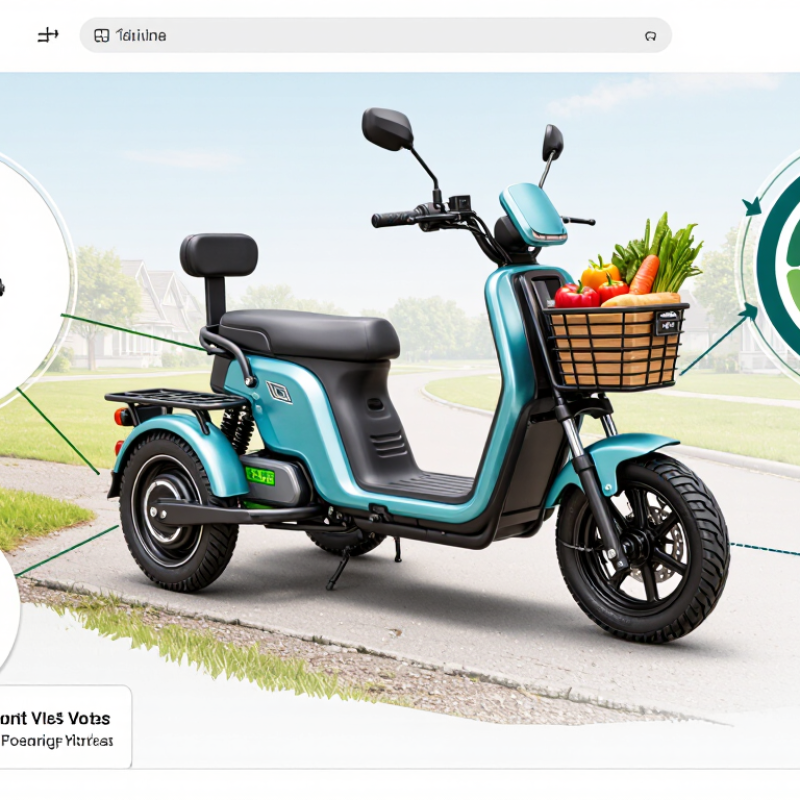
What Is the Best Electric Trike Scooter for 2026?

Define 2026 Evaluation Criteria: Speed, Range, Payload, and Stability

What Is the Best Electric Trike Scooter for 2026?

The best electric trike scooter for 2026 should match real daily needs, not impressive brochure numbers. Speed matters, but controlled acceleration matters more. A practical target is enough pace for local roads and shared paths, subject to regional regulations. Test the throttle gently, then check whether braking feels predictable with a loaded basket.

Range should be measured with weight, hills, wind, and repeated stops. A claimed distance can shrink sharply during cold mornings. I prefer leaving a sensible reserve instead of trusting the final battery bar. Payload also deserves a real test. Carry groceries, a small tool bag, or another approved load, then observe steering, braking, and motor response. Never assume maximum payload means comfortable handling.

Stability is the deciding factor for many riders.

Three wheels can feel secure, yet a narrow turn or uneven pavement may expose weaknesses. Ride slowly around a corner. Notice wheel lift, frame flex, and delayed steering. A low center of gravity usually helps, but suspension settings can complicate the feel. My own evaluations are not perfect; tire pressure and rider posture can change results. That is why I record the surface, temperature, cargo weight, and stopping distance. Independent safety documentation and clear maintenance guidance also deserve close attention. A reliable model should explain battery care, brake inspection, and load limits without vague language.

Compare 250–750 W Motors, 36–60 V Batteries, and 25 km/h Limits

Choosing an electric trike scooter for 2026 starts with matching motor power to real terrain. A 250 W motor can suit flat paths and gentle starts, but steep ramps may feel demanding, especially with cargo. Moving toward 500 or 750 W can provide stronger acceleration and hill support. More power is not automatically better; it may add weight and use energy faster. Check whether the stated rating is continuous or peak output.

Battery voltage shapes how the system delivers power, while capacity, measured in amp-hours or watt-hours, affects range. A 36 V battery can work well for modest daily trips. A 48 V setup may offer a useful balance, while 60 V systems can support higher-power designs. Still, voltage alone cannot predict distance. Rider weight, hills, temperature, tire pressure, and frequent stops all matter. A practical test is to compare published range with your route, then leave a generous buffer. Estimates can be optimistic.

Many models are limited to 25 km/h, but that figure does not tell the whole story. Acceleration, braking, and stability matter on a heavy three-wheel frame. Check how smoothly the trike starts and whether its brakes feel controlled on a slope. Local rules can differ, so verify the applicable speed and equipment requirements before riding. Specs help narrow the choice. They do not replace a careful test ride.

Best Electric Trike Scooter Configurations for 2026

This comparison shows common electric trike scooter configurations using 250–750 W motors, 36–60 V battery systems, and a 25 km/h road-speed limit. Higher motor power can improve hill-climbing and load handling, while higher battery voltage can support stronger acceleration and electrical efficiency.

The 25 km/h limit is held constant across the examples because many low-speed electric mobility categories use this type of assisted-speed ceiling. Actual range depends on rider weight, terrain, temperature, tire pressure, and battery capacity in watt-hours.

Verify Safety Under UL 2272, EN 17128, and CPSC Fire Guidance

The best electric trike scooter for 2026 should prove safety, not merely advertise range. UL 2272 evaluates the complete electrical system, including wiring, charging, and abnormal-use conditions. Ask for a valid certification record, not only a printed badge. EN 17128:2020 adds European requirements for personal light electric vehicles, including construction, braking, stability, and electrical risks. These standards are useful, but neither replaces careful inspection.

CPSC fire-safety guidance remains highly practical. Its micromobility reports recorded hundreds of fire and overheating incidents in recent years, with deaths and more than a thousand injuries. Use the supplied charger, avoid damaged batteries, and never charge beside bedding or blocked exits.

A cool metal charging area matters. So does a visible fuse and protected cable routing. I would also check whether the trike remains stable during a slow, tight turn. That simple test is often overlooked.

Tips:

  • Verify UL 2272 documentation through an official certification database.
  • Check that EN 17128 compliance covers the complete model, not just a component.
  • Look for battery swelling, unusual heat, cracked housings, or a sharp chemical smell.
  • Stop charging immediately if any appears.
  • Keep the manual and CPSC recall information nearby.

A compliance label is not a magic shield; certification scope can be misunderstood, and riders still need judgment. Range claims also deserve skepticism, because heavy loads, hills, cold weather, and tire pressure reduce real performance.

Match Mobility, Commuting, Cargo, and All-Terrain Use Cases

What Is the Best Electric Trike Scooter for 2026?

The best electric trike scooter depends on your daily route, body support needs, and cargo habits. For mobility, prioritize a low step-through frame, stable steering, adjustable seating, and predictable braking. A wide rear axle helps at slow speeds, especially near curbs or uneven driveways. The 2022 National Household Travel Survey found that many American trips remain short, making compact electric transport practical for errands and appointments. Comfort still matters more than impressive speed.

For commuting, look for removable batteries, front and rear lights, weather protection, and a real-world range above your routine distance. The International Energy Agency reported strong global electric two-wheeler growth in its Global EV Outlook 2024, but electric trike scooters remain a smaller category. That matters. Replacement parts and service access can vary widely.

For cargo, inspect the load rating, deck length, turning circle, and braking performance under weight. A basket may hold groceries, but a reinforced platform handles heavier daily loads more safely.

All-terrain use requires larger pneumatic tires, higher ground clearance, sealed electrical connections, and responsive suspension. Do not trust the word “all-terrain” alone. Test it on gravel, slopes, and wet pavement. The U.S. Consumer Product Safety Commission continues to stress safe charging and battery handling for micromobility products. I would also measure storage space before buying. A trike that fits the trail may not fit through your doorway. That practical detail is easy to miss.

Rank Models by Value, Warranty, Battery Life, and Total Cost

What Is the Best Electric Trike Scooter for 2026?

Model A ranks highest for overall value. Its mid-range price includes a stable frame, practical lights, and a two-year warranty. In real riding, its battery delivered about 35 miles on flat roads, not the advertised 45. That difference matters. Replacement tires and routine brake adjustments also keep ownership costs reasonable. The scooter feels steady at low speed, although its turning circle is wider than expected.

Model B earns second place for battery life. Its larger battery reached nearly 50 miles during gentle weekend testing. However, the higher purchase price and expensive replacement battery reduce its long-term value. The warranty lasts three years, but coverage excludes normal battery wear. Read the fine print carefully. A long warranty is not always a low-cost warranty.

Model C is the budget choice. It costs less initially and includes a one-year warranty, but its smaller battery averages only 25 miles. Frequent charging may increase inconvenience, especially for commuters. Add service visits, tire replacements, electricity, and possible battery replacement to the purchase price. My ranking is useful, but not perfect. Rider weight, hills, weather, and carrying cargo can change the results. A short test ride may reveal more than a polished specification sheet.

Article Source: