China Best Clean Energy Solutions for Global Procurement Buyers?
In recent years, China has emerged as a leader in providing clean energy solutions. These innovations not only benefit domestic markets but also appeal to global procurement buyers. Dr. Ming Zhao, a renowned expert in renewable energy, once said, "China is not just a factory; it's a powerhouse of sustainable technology." This statement underscores the potential for collaboration in clean energy development.
China’s efforts in solar, wind, and hydro technologies have made significant strides. Leading companies are setting ambitious goals, yet challenges remain. The market is growing rapidly; however, it faces issues related to quality and reliability. Buyers must assess not only the technology but also the suppliers’ credibility.
The necessity for sustainable practices is urgent. As markets demand eco-friendly solutions, clean energy innovations thrive. Yet, procurement buyers must navigate a complex landscape. It is essential to partner with trustworthy firms that prioritize not only profits but the planet’s future. Balancing efficiency and sustainability will lead to successful procurement strategies.
Overview of China's Clean Energy Landscape for Global Buyers
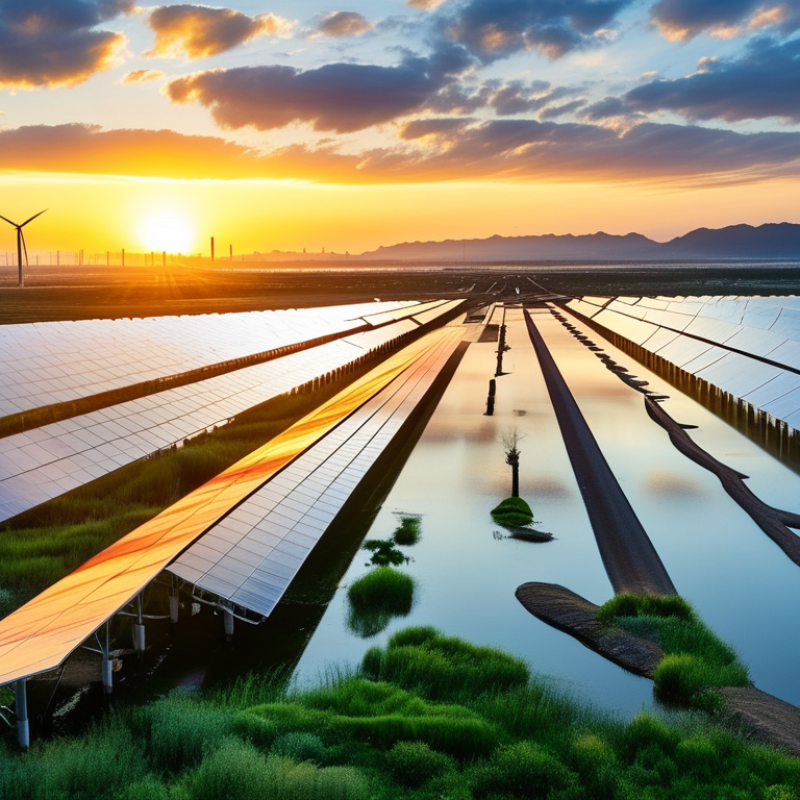
China is rapidly becoming a leader in clean energy solutions, offering vast opportunities for global procurement buyers. The country is home to the world's largest solar power capacity. As of 2023, China's solar energy production reached approximately 392 gigawatts (GW). This represents over 30% of the global total. Wind energy is also a stronghold, with China's installed capacity surpassing 300 GW. Such figures indicate a commitment to renewable energy that is both impressive and critical in the fight against climate change.
Global buyers should consider the robust supply chain present in China. The nation’s dominance in rare earth materials is an example. These materials are essential for clean energy technologies like batteries and wind turbines. However, there are challenges. The supply chain can experience bottlenecks due to regulations and environmental policies. Additionally, the costs can fluctuate, affecting procurement strategies. Buyers must stay informed about market trends to navigate these complexities successfully. The potential for innovation is high, but it requires careful planning and awareness of the evolving landscape.
China Best Clean Energy Solutions for Global Procurement Buyers
| Energy Type |
Installed Capacity (GW) |
2023 Growth Rate (%) |
Key Technology |
Export Potential (Billion USD) |
| Solar Energy |
200 |
25 |
Photovoltaic Cells |
15 |
| Wind Energy |
130 |
20 |
Turbines |
10 |
| Hydropower |
350 |
5 |
Dam Technology |
8 |
| Bioenergy |
15 |
10 |
Biogas Digesters |
3 |
| Geothermal |
5 |
12 |
Geothermal Power Systems |
1 |
Key Clean Energy Technologies and Innovations in China
China has emerged as a leader in clean energy technologies, revolutionizing global procurement. Key innovations in solar panels have made the country the largest producer, accounting for over 70% of global production in 2021, according to the International Energy Agency (IEA). This surge reflects China's investment in photovoltaic research, pushing efficiency rates to unprecedented levels.
Wind energy is another area where China excels. The country leads the world in installed capacity, reaching over 300 GW by mid-2022. This growth stems from advancements in turbine technology and a robust supply chain. However, challenges persist, including the need for better energy storage solutions. The current battery technologies may not always meet the demands of a fluctuating energy supply.
China's focus on electric vehicles (EVs) also significantly impacts clean energy. The country's EV sales reached 3 million units in 2021, highlighting the rapid transition to sustainable transport. Yet, the infrastructure for charging stations is still developing, raising questions about efficiency. China showcases both the achievements and hurdles of clean energy innovations, highlighting a journey that continues to evolve.
Major Chinese Companies Leading in Clean Energy Solutions
China is making significant strides in clean energy solutions, showcasing its capabilities on a global scale. According to a recent report by the International Renewable Energy Agency (IRENA), China accounted for over 40% of global renewable energy investments in 2022. Major companies in China are at the forefront, emphasizing innovation and sustainability. The dominance of solar and wind energy sectors highlights the country’s commitment to reducing carbon emissions.
Leading firms specialize in solar power systems, wind turbine manufacturing, and energy storage solutions. Data from the Global Wind Energy Council indicates that China produced over 95 GW of wind energy capacity in 2022, solidifying its position as a leader. However, challenges persist, such as balancing rapid growth with environmental impacts and the need for more efficient supply chains. Companies must invest in sustainable practices and capabilities to maintain a competitive edge.
Furthermore, China's advancements in hydrogen energy represent a promising frontier. Analysts predict that the hydrogen market could expand significantly, with growth rates exceeding 25% annually. Yet, the sector faces hurdles, mainly in technology maturity and infrastructure development. These complexities require continuous reflection and adaptation. As global procurement buyers explore China’s offerings, understanding both the potential and the challenges will be crucial.
Strategic Partnerships and Collaborations in Clean Energy Sourcing
In the pursuit of clean energy, strategic partnerships become crucial. Collaboration helps enhance innovation and efficiency. Many companies in China are open to forming alliances. They seek to share knowledge and resources with global partners. This approach can lead to breakthrough technologies in renewable energy.
Such partnerships often enable buyers to access local expertise. They can navigate regulatory landscapes more effectively. Collaboration may also involve joint ventures for specific projects. This ensures both parties benefit from shared risks and rewards. However, trusting the right partners is a challenge. Transparency and communication are key.
Another aspect to consider is the diversity of technologies available. Battery storage, solar panels, and wind turbine innovations are just a few examples. Buyers must evaluate the strengths of potential partners. Not every collaboration yields immediate results. Some partnerships require time to mature. Continuous assessment is essential for success in the clean energy sector.
Challenges and Opportunities in Global Clean Energy Procurement from China
China has emerged as a prominent player in the global clean energy market. However, navigating this landscape presents both challenges and opportunities for procurement buyers. One major challenge is the complexity of regulations. Understanding local laws and policies is crucial for compliance and successful procurement.
Additionally, language barriers can complicate negotiations. Buyers must ensure clear communication to avoid misunderstandings. This requires a skilled team familiar with both the culture and business practices in China. Reflecting on sourcing strategies can enhance negotiating power.
**Tips:** Research suppliers thoroughly. Approach potential partners with a clear understanding of their capabilities. Regularly reassess your procurement strategy based on changing market trends.
The opportunities are significant. China offers a vast array of innovative clean energy solutions. However, evaluating the quality and reliability of products remains essential. Buyers need to implement thorough vetting processes. This minimizes risks and ensures strong partnerships. Engage with local experts for insights into the market dynamics. They can provide valuable guidance on maintaining sustainable procurement practices.
China's Clean Energy Procurement Opportunities and Challenges
This chart illustrates the key areas of opportunity and challenge in clean energy procurement from China based on a variety of factors.