Skip to content

What is Clean Energy Technology and How Can It Benefit You?

Clean energy technology is transformative. It shifts how we generate and consume energy. According to the International Renewable Energy Agency (IRENA), renewable energy could account for 86% of global power generation by 2050. This technology promotes sustainability while reducing carbon emissions.

Dr. Emily Johnson, a leading expert in clean energy technology, emphasizes its potential: “Clean energy is not just beneficial; it's essential for our planet's survival.” This perspective underlines the critical role of these technologies in combating climate change and promoting energy independence.

However, not all clean energy solutions are perfect. Some technologies face challenges, such as inefficiency and high initial costs. Improvement is necessary. In understanding clean energy technology, consumers can make informed choices. By becoming educated, individuals can embrace this energy revolution and contribute toward a greener future.
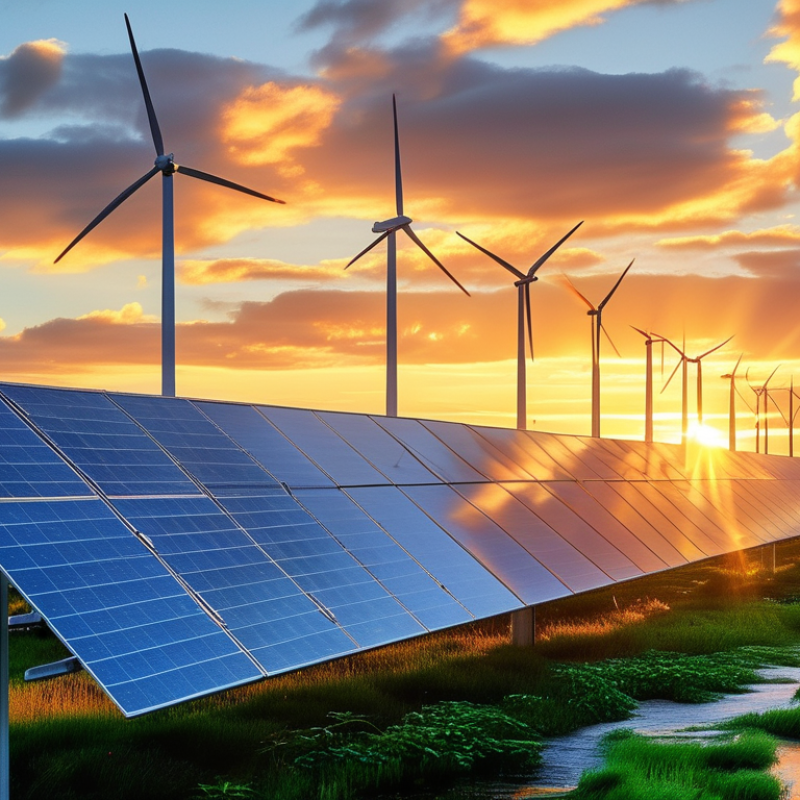
What is Clean Energy Technology and How Can It Benefit You?

What is Clean Energy Technology?

Clean energy technology refers to methods and innovations that prioritize renewable sources. Solar, wind, and hydroelectric power are key players in this field. These technologies offer sustainable alternatives to fossil fuels, reducing carbon footprints. Naturally, the shift to clean energy can seem daunting. However, understanding its components simplifies this journey.

By harnessing solar panels, individuals can produce electricity at home. Wind turbines generate power in areas with constant winds. Hydroelectric systems capitalize on flowing water to create energy. Each technology provides unique benefits. However, initial installation costs can be high. Some may hesitate due to this expense.

Improving energy efficiency is another crucial aspect. Smart home devices can optimize energy usage. Such innovations are designed to help users monitor and reduce their consumption. It’s vital to acknowledge that not all solutions are perfect. Some regions lack adequate resources for widespread adoption. Continuous innovation and investment are necessary to overcome these barriers.

Clean Energy Technology Adoption Rates

This chart displays the adoption rates of various clean energy technologies, highlighting the growing acceptance and investment in renewable energy sources. Solar energy leads the way, followed by wind, hydropower, geothermal, and biomass.

Types of Clean Energy Technologies and Their Applications

Clean energy technology encompasses various methods for generating power with minimal environmental impact. Solar power stands out due to its accessibility. Solar panels convert sunlight directly into electricity. Many homeowners utilize this technology to reduce electricity bills and carbon footprints. Wind energy is another prominent type. Turbines harness wind to produce power. Available in onshore and offshore formats, it contributes significantly to renewable energy goals.

Geothermal energy uses heat from the Earth’s core to generate electricity. This method is stable and reliable, making it a strong contender in the clean energy arena. Biomass is also noteworthy. Organic materials are converted into energy. This approach not only produces fuel but also reduces waste.

While the promise of clean energy is immense, challenges remain. Transitioning to these technologies can be costly upfront. Additionally, the efficiency of some systems varies by location. Public awareness is crucial for broader adoption. Local governments play a key role in this transition, offering incentives or subsidies. Balancing innovation with practicality is essential for progress.

What is Clean Energy Technology and How Can It Benefit You? - Types of Clean Energy Technologies and Their Applications

Type of Clean Energy Technology Description Applications Benefits
Solar Energy Energy harnessed from the sun using photovoltaic cells. Residential solar panels, solar farms, solar heating systems. Reduces electricity bills, clean energy source, low operating costs.
Wind Energy Energy derived from wind through turbines that convert kinetic energy. Wind farms, community wind projects, offshore wind energy. Sustainable energy source, reduces reliance on fossil fuels, job creation.
Hydropower Electricity generated from the movement of water. Hydroelectric dams, small-scale hydro systems, run-of-the-river projects. Reliable power source, low emissions, can provide flood control.
Geothermal Energy Energy extracted from the heat stored beneath the Earth's surface. Geothermal power plants, direct-use applications, heat pumps. Low greenhouse gas emissions, stable energy output, small land footprint.
Biomass Energy Energy produced from organic materials, such as plant and animal waste. Biofuels, biogas, biomass power plants. Reduces waste in landfills, supports rural economies, can reduce carbon emissions.

Benefits of Clean Energy Technology for Individuals and Communities

Clean energy technology offers numerous benefits for individuals and communities. These innovations harness renewable sources such as solar, wind, and hydro power. According to the International Renewable Energy Agency (IRENA), transitioning to clean energy can reduce reliance on fossil fuels by up to 84% by 2050. This shift not only mitigates climate change but also decreases local air pollution.

Individuals can enjoy lower energy bills as clean energy technologies become more affordable. A study by the U.S. Department of Energy indicates that homeowners with solar panels save an average of $1,500 annually on electricity costs. Additionally, communities that invest in clean energy create job opportunities. The Solar Foundation reports that the U.S. solar industry alone employed around 250,000 workers in 2020.

While the benefits are clear, challenges exist. Transitioning can require significant upfront costs and infrastructure changes. Some communities may lack access to resources or knowledge about these technologies. Moreover, not everyone may feel ready to adopt new systems. Awareness and training programs are essential to address these gaps. Communities must engage and educate residents to ensure comprehensive participation in the clean energy transition.

Challenges and Limitations in Implementing Clean Energy Solutions

Implementing clean energy solutions comes with several challenges and limitations. One major hurdle is the upfront cost. While renewable sources like solar and wind have lower operational costs, the initial investment can be significant. Many individuals and businesses may hesitate to transition due to financial constraints. This requires careful consideration and planning.

Technology also presents its own challenges. For instance, energy storage solutions are still evolving. Battery technology must improve to store energy efficiently. This is crucial for harnessing renewable energy when the sun isn't shining or the wind isn't blowing. Additionally, not all regions have equal access to clean energy resources. Geographic factors can limit the effectiveness of certain technologies.

Regulatory and logistical hurdles complicate matters further. Local policies may not support renewable energy initiatives. Moreover, integrating new technologies into existing systems can be complex. This can lead to inefficiencies during the transition phase. Stakeholders must navigate these issues carefully to create effective clean energy strategies.

The Future of Clean Energy Technology: Innovations and Trends

Clean energy technology is evolving rapidly. A report by the International Energy Agency (IEA) states that global investment in renewable energy reached $300 billion in 2022. This shows a clear shift towards sustainable solutions. Innovations are not just limited to solar and wind. Energy storage, such as advanced batteries, is crucial for managing intermittent energy supply.


Trends indicate a growing focus on efficiency. According to BloombergNEF, electric vehicles are expected to reach 50% market share by 2030. This transition influences how we consume energy daily. Homes are becoming smarter with energy management systems. These systems optimize electricity usage, lowering bills and enhancing efficiency.


However, challenges exist. The transition to clean energy requires infrastructure development. Many regions still lack access to resources. The production of renewable energy technology often depends on rare materials. This raises environmental concerns regarding mining practices. Balancing innovation with sustainability is crucial for long-term success.