Skip to content

What Are the Top 10 Home Energy Solutions?

Home energy solutions are becoming practical tools, not distant promises. A heat pump can quietly warm a bedroom, while smart controls adjust usage before electricity prices rise. Rooftop solar can turn unused roof space into daytime generation. Battery storage can preserve evening power, although its cost and embodied materials deserve honest discussion.

The International Energy Agency’s Energy Efficiency 2023 report identifies efficiency as a major route toward lower energy demand and emissions. Its analysis indicates that faster efficiency gains are essential for meeting global climate goals. The U.S. Energy Information Administration also shows that space conditioning and water heating consume substantial household energy. These findings explain why insulation, efficient heating, solar power, batteries, smart meters, and demand management appear in serious household planning.

This guide examines the top 10 home energy solutions through performance, affordability, durability, and practical installation needs. It considers evidence from the IEA, the U.S. Department of Energy, the National Renewable Energy Laboratory, and other established sources. Real homes remain complicated. A shaded roof weakens solar output. An oversized heat pump may cycle inefficiently. A battery may not deliver attractive savings in every tariff market.

The best choice depends on climate, building age, occupancy, local incentives, and electricity rates. Not every “green” upgrade is automatically sensible. That matters. Reliable decisions require measured consumption, qualified installers, transparent warranties, and realistic payback estimates. The following overview connects technical research with everyday details, from cold floors and drafty windows to a rising evening power bill.
What Are the Top 10 Home Energy Solutions?

Understanding Home Energy Solutions and Their Main Purposes

What Are the Top 10 Home Energy Solutions?

Understanding purpose matters more than chasing new technology. The ten most useful solutions include insulation, air sealing, high-performance windows, heat pumps, and heat-pump water heaters. Solar panels generate electricity, while batteries store it for evening use. Smart controls shift flexible demand away from expensive periods. LED lighting and efficient appliances reduce daily consumption. Demand-response systems adjust selected loads without disrupting essential routines.

The IEA’s Buildings 2023 report estimates that buildings consume about 30% of global final energy. They also produce roughly 26% of energy-related emissions. These figures make household efficiency important, but local conditions change outcomes. U.S. Department of Energy guidance indicates that air sealing and insulation can reduce heating and cooling costs by up to 15%. Actual savings depend on installation quality, weather, occupancy, and existing equipment. Performance is rarely perfect.

I would not rank these solutions identically for every household. A cold, drafty home may need insulation before solar generation. A small apartment may benefit more from efficient appliances and smart controls. Roof direction, shading, moisture, electrical capacity, and maintenance also deserve attention.

One common mistake is purchasing generation equipment before fixing heat loss. Another is ignoring filter cleaning and system settings.

An energy audit can measure these weaknesses before expensive decisions begin. A simple record of monthly bills, indoor temperatures, and peak usage provides useful evidence.

Some recommendations will still be uncertain. That uncertainty should be tested, not hidden.

Assessing Energy Use, Household Needs, and Available Resources

What Are the Top 10 Home Energy Solutions?

A practical energy plan begins with evidence, not assumptions. Review twelve months of utility bills, then use a plug-in meter for major appliances. This reveals household patterns. Top solutions include an energy audit, insulation, air sealing, efficient lighting, and a programmable thermostat. Small gaps around windows can make a room feel cold, even with strong heating. I once blamed an old heater for high bills. A drafty hallway was the real problem.

Household needs should guide the next choices. A heat pump may suit a well-insulated home with moderate heating demand. Solar panels can help households with a suitable roof, clear sunlight, and stable daytime consumption. Battery storage may support backup needs, but its cost and useful capacity require careful checking. Solar water heating, efficient appliances, and low-flow fixtures complete the ten options. Not every home needs all ten. That is easy to forget.

Local resources matter too. Compare available rebates, weather conditions, installer qualifications, and local electrical rules. Ask for written performance estimates, maintenance requirements, and realistic payback periods. An energy professional can test airflow and confirm safety before upgrades. Online calculators are helpful, but they simplify real homes. My own first estimate ignored seasonal humidity and overstated savings. Measurement should continue after installation. Check indoor temperature, monthly consumption, and comfort room by room. A cheaper solution is not always the better fit.

What Are the Top 10 Home Energy Solutions?

Assessing energy use, household needs, and available resources

The chart shows representative energy-reduction potential for the relevant household end use. Values are typical estimates rather than guaranteed whole-home savings, and results depend on climate, equipment condition, household behavior, installation quality, and available resources. Savings from different solutions should not be added together because they may overlap.

Reference sources: U.S. Department of Energy Energy Saver guidance, U.S. Environmental Protection Agency residential efficiency guidance, and U.S. Energy Information Administration household energy-use data.

Exploring Renewable Energy and Efficient Power Generation Options

What Are the Top 10 Home Energy Solutions?

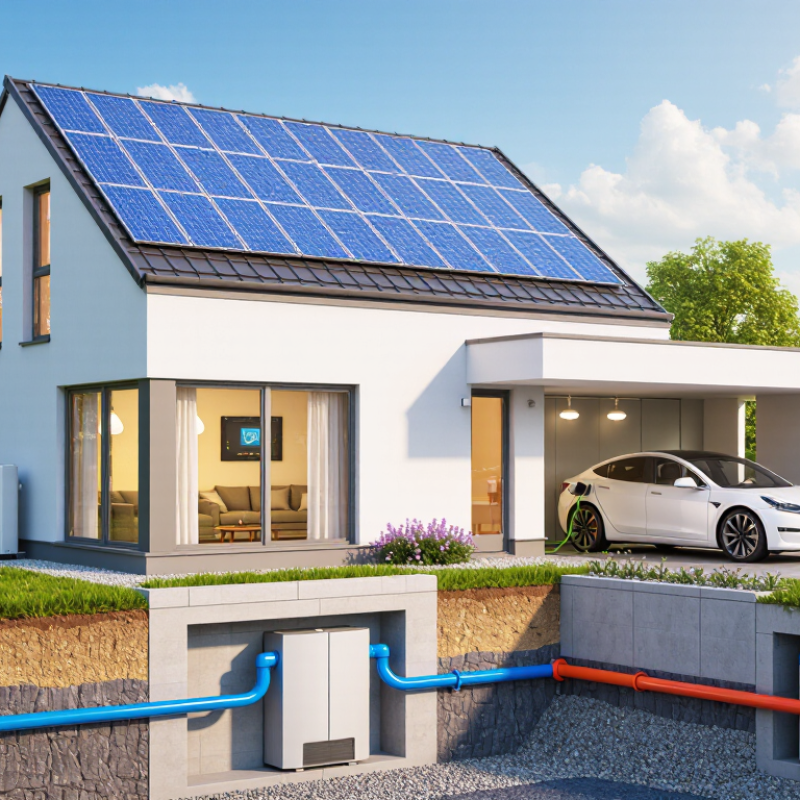
Renewable energy works best when matched with a home’s climate, roof, and daily habits. Solar panels can generate electricity from unused roof space, while solar water heaters reduce demand for conventional heating. Ground-source and air-source heat pumps move heat rather than create it, often using less electricity. Small wind systems may help rural homes, but nearby buildings and irregular wind can limit production. Home batteries store surplus solar power for evening cooking, lighting, and heating.

Tips: Begin with an energy audit. Check insulation, window leaks, appliance loads, and monthly consumption. Improve efficiency before buying generation equipment. Ask qualified professionals about roof strength, electrical capacity, maintenance, permits, and local weather data. A simple energy monitor can reveal that an old freezer consumes more power than expected.

Efficient power generation also includes combined solar and battery systems, micro-hydropower on suitable private sites, and high-efficiency water heating.

Smart controls can shift laundry or water heating toward sunny hours. I would not promise complete energy independence; winter production, equipment aging, and unexpected repairs matter. One imperfect plan may overlook shade from a growing tree. Review performance every season, compare measured output with estimates, and adjust habits when the figures disagree. Certified equipment and documented installation practices add reliability, especially when connecting systems to household wiring.

Comparing Energy Storage, Heating, Cooling, and Smart Technologies

What Are the Top 10 Home Energy Solutions?

In home energy assessments, the biggest gains usually come from reducing demand before adding equipment. Solar panels can generate daytime electricity, while home battery storage can shift surplus power into evening hours. Results depend on roof direction, local weather, and household habits. A professional load assessment matters.

Heating and cooling deserve close attention. Heat pumps can provide both functions with less direct fuel use than many older systems. Better insulation and efficient windows help rooms hold stable temperatures. Sealing duct leaks also prevents conditioned air from disappearing inside walls. These improvements are often less visible, but highly practical. Ventilation with heat recovery can exchange stale indoor air while retaining much of the heat.

Smart technologies add control rather than magic. A smart thermostat can adjust temperatures around sleep and work schedules. Energy monitors can reveal an unexpected appliance running overnight. Efficient water heating, LED lighting, and high-efficiency appliances complete the ten solutions. Sensors should be installed carefully and protected from moisture. Small errors matter. In one poorly insulated room, advanced controls changed little because heat escaped through the ceiling. Local building rules, certified installation, electrical protection, and regular maintenance should guide every upgrade. Costs, comfort, backup needs, and carbon reduction will not align perfectly in every home.

What Are the Top 10 Home Energy Solutions? - Comparing Energy Storage, Heating, Cooling, and Smart Technologies

Rank Energy Solution Main Category Primary Function Typical Energy Impact Typical Service Life Installation Complexity Best Use Case
1 Air-Source Heat Pump Heating & Cooling Provides space heating and cooling by transferring heat rather than generating it directly. Can reduce heating electricity use by about 30%–60% compared with conventional electric resistance heating. 12–20 years Medium–High Homes needing both efficient heating and air conditioning.
2 Home Battery Energy Storage Energy Storage Stores electricity for evening use, backup power, or shifting consumption away from peak periods. Often 80%–95% round-trip efficiency; savings depend on tariffs and operating strategy. 10–15 years High Homes with solar power, time-of-use electricity rates, or frequent outages.
3 Rooftop Solar Photovoltaic System Renewable Generation Generates electricity from sunlight for household consumption, export, or storage. A typical system may generate approximately 900–1,500 kWh per installed kW annually, depending on location. 25–30 years Medium–High Homes with suitable roof space and sufficient sunlight.
4 Smart Thermostat Smart Controls Automatically adjusts heating and cooling schedules using occupancy, temperature, and user settings. Commonly delivers about 8%–15% heating and cooling savings when properly configured. 5–10 years Low–Medium Households with changing schedules or frequently adjusted thermostats.
5 High-Efficiency Water Heater Water Heating Heats domestic water using efficient heat-pump or high-performance electric technology. Heat-pump models can use roughly 60%–70% less electricity than standard electric tank heaters. 10–15 years Medium Homes with high hot-water demand and adequate installation space.
6 Building Insulation and Air Sealing Building Efficiency Reduces heat transfer and uncontrolled drafts through walls, roofs, floors, windows, and gaps. Can reduce heating and cooling demand by approximately 10%–30%, depending on the starting condition. 20–50+ years Medium Older, drafty homes with high indoor temperature fluctuations.
7 High-Efficiency LED Lighting Electrical Efficiency Replaces incandescent or halogen lamps with efficient solid-state lighting. Uses approximately 75%–90% less electricity than incandescent lighting for similar light output. 10–25 years Low All homes, especially properties with many frequently used light fixtures.
8 Home Energy Management System Smart Energy Management Monitors electricity use and coordinates appliances, solar generation, storage, and flexible loads. Potentially 5%–15% lower electricity costs when automation and load shifting are available. 5–15 years Medium Homes with multiple smart devices, solar generation, or variable electricity pricing.
9 Efficient Windows and Solar Shading Building Envelope Limits unwanted heat loss in winter and solar heat gain in summer. Can reduce window-related heat transfer by about 20%–50% compared with older single-pane windows. 20–30 years Medium–High Homes with single-pane windows, strong drafts, or excessive summer sun exposure.
10 Smart Plugs and Load Controls Smart Appliances Schedules or disconnects selected devices and helps identify unnecessary standby consumption. Standby consumption may account for approximately 5%–10% of household electricity use. 5–10 years Low Entertainment systems, office equipment, chargers, and other intermittently used devices.

Note: Energy savings, service life, and performance vary with climate, building condition, household behavior, equipment sizing, electricity prices, and installation quality. The figures shown are typical planning ranges rather than guaranteed results.

Evaluating Costs, Savings, Maintenance, and Long-Term Benefits

The top ten home energy solutions include insulation, air sealing, heat pumps, solar panels, batteries, smart thermostats, LED lighting, efficient water heaters, high-efficiency appliances, and window upgrades. Insulation and air sealing often cost less than major equipment. They can reduce drafts, stabilize indoor temperatures, and lower heating demand. Maintenance is usually modest, but poor installation can hide moisture problems. That risk deserves attention.

Heat pumps and efficient water heaters may require higher upfront spending. Their long-term savings depend on climate, electricity prices, home size, and correct sizing. A qualified technician should measure the building instead of guessing. Solar panels can reduce purchased electricity, while batteries may improve resilience during outages. However, batteries add replacement costs and do not always produce the fastest financial return. Numbers matter.

Smart thermostats, LEDs, and efficient appliances offer simpler upgrades. A thermostat may need occasional recalibration, while LEDs reduce replacement frequency. Better windows improve comfort, but their payback can be slow unless existing frames leak badly. I have found that the cheapest upgrade is not always the best value. A small attic air leak can waste more energy than expected, yet savings estimates often overlook occupant habits. Review utility bills before and after each project, keep installation records, and compare warranties, service access, expected lifespan, and local incentives. Some estimates will be imperfect. That is normal.