Skip to content

Top 10 Future of Renewable Energy Trends for Global Buyers

The future of renewable energy is becoming a practical purchasing concern, not merely a vision for distant policy discussions. Global buyers now compare technologies, suppliers, financing models, and long-term operating risks before signing contracts.

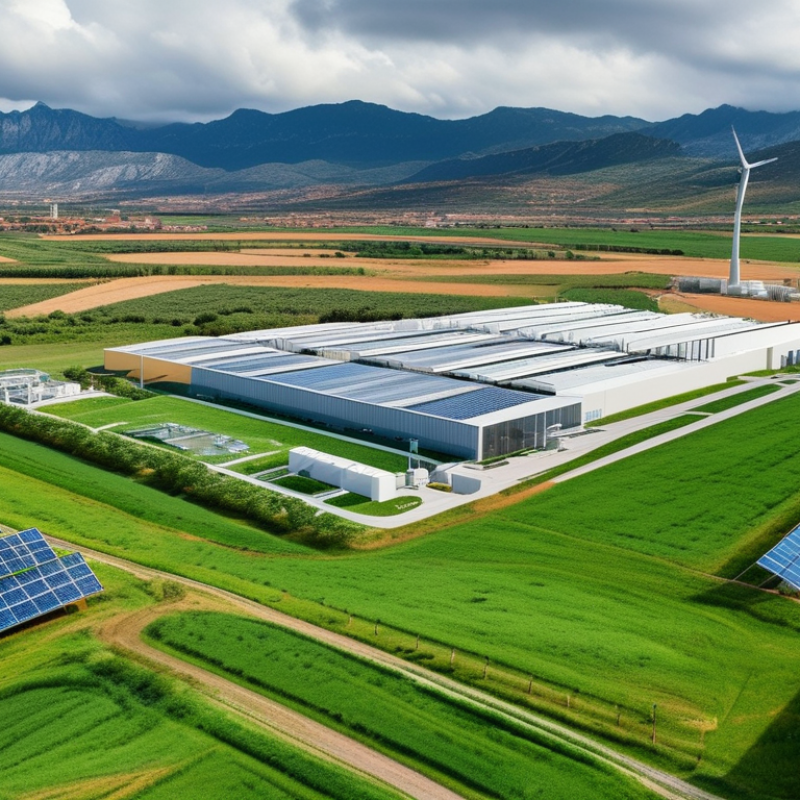
Solar modules, wind turbines, battery systems, green hydrogen equipment, and smart-grid software are developing at different speeds. A warehouse roof in Spain may favor solar and storage, while a remote mine may require hybrid power and stronger backup systems. These choices depend on local resources, grid conditions, regulations, and available technical support.

The next decade will reward buyers who examine full project performance, not only headline prices. Supply-chain traceability, lifecycle emissions, product warranties, cybersecurity, recycling plans, and maintenance capacity deserve equal attention. Certifications and independent testing can strengthen confidence, but they cannot replace careful supplier audits. Numbers can mislead.

This guide explores ten renewable energy trends shaping global procurement decisions. It considers falling technology costs, flexible storage, digital monitoring, distributed generation, and new approaches to industrial decarbonization. It also asks harder questions about mineral supplies, grid congestion, project delays, and uneven access to finance.

Some forecasts will prove wrong. That is worth admitting.

Reliable decisions require current market evidence, experienced engineering judgment, and transparent risk assessment. Buyers should treat each trend as a commercial signal, then test it against real sites, realistic budgets, and measurable performance targets. A promising technology is not automatically a suitable investment. The strongest opportunity may be the one that performs consistently after the launch excitement disappears.
Top 10 Future of Renewable Energy Trends for Global Buyers

Definition and Scope of Renewable Energy’s Future

The future of renewable energy means more than building additional wind turbines or solar farms. It covers how clean power is generated, stored, delivered, financed, and measured over time. For global buyers, the scope includes solar, wind, hydropower, geothermal, sustainable bioenergy, batteries, green hydrogen, and flexible power systems. It also includes land use, mineral sourcing, recycling, grid stability, and community acceptance.

A reliable purchasing decision should examine performance beyond the sales forecast. Review annual energy yield, capacity factors, degradation rates, storage duration, maintenance plans, and connection limits. Local weather data matters. So do permitting rules, currency risks, insurance costs, and changing electricity demand. A project may appear efficient on paper but struggle during cloudy weeks or grid congestion. Forecasts are never clean. Buyers should request independent assessments, verified emissions data, and clear lifecycle assumptions. Experience shows that the cheapest equipment is not always the lowest-cost choice over twenty years.

Tips: Compare projects using the same financial and environmental assumptions. Ask how components will be repaired or recycled. Check whether promised output reflects real seasonal conditions. Keep a risk register for policy changes, supply delays, and extreme weather. Do not ignore smaller technical details. A spreadsheet can still mislead. Future-ready procurement needs evidence, flexibility, and honest questioning, even when the available data feels incomplete.

Key Technologies Driving Renewable Energy Innovation

Top 10 Future of Renewable Energy Trends for Global Buyers

Key Technologies Driving Renewable Energy Innovation

Renewable energy innovation is moving from isolated projects to integrated systems. IRENA’s Renewable Capacity Statistics 2024 recorded 473 GW of renewable capacity added in 2023. Solar power supplied most of that growth. The International Energy Agency expects global renewable capacity to expand by nearly 5,500 GW between 2024 and 2030. Solar modules, offshore wind turbines, and long-duration batteries will shape procurement decisions. Yet hardware alone is not enough. Buyers must examine grid access, weather data, recycling plans, and local permitting before signing contracts.

Green hydrogen may support steel, shipping, and chemical production where direct electrification remains difficult. Smart inverters and digital forecasting can balance cloudy afternoons and sudden demand peaks. Battery storage can shift midday solar into evening hours, when electricity prices often rise. IRENA reports that renewables represented 86% of new global power capacity in 2023. The number is impressive, but transmission remains a stubborn weakness. More clean generation does not guarantee reliable delivery.

Tips: Request hourly production profiles, not only annual output figures. Compare degradation warranties with real operating temperatures. Ask who owns the battery after ten years. Visit a working site if possible; spreadsheets can hide dust, cable losses, and maintenance delays. I still see projects overvaluing capacity and undervaluing grid flexibility. That mistake is expensive.

Top 10 Future of Renewable Energy Trends for Global Buyers

Key technologies driving renewable energy innovation, ranked by approximate global installed capacity in 2023.

Solar PV, hydropower and wind remain the largest technology platforms, while offshore wind, geothermal, concentrated solar power, ocean energy and renewable-plus-storage systems represent important areas for future procurement and infrastructure innovation. Capacity figures are approximate global values based on public 2023 renewable-energy statistics reported by international energy agencies.

Top Global Renewable Energy Trends for Buyers

Global renewable energy buyers are moving beyond low prices. They now examine grid access, delivery schedules, and long-term operating risks. Solar and wind remain central, while battery storage, green hydrogen, and small hydro gain attention in suitable regions. A project on paper can still fail. Land permits, weak transmission lines, or seasonal weather may change its value.

Experienced buyers compare energy yield across several years of weather data, not one attractive forecast. They ask for measurable details: module degradation, turbine availability, battery cycle life, and response time. Local content rules and customs procedures also affect the final cost. Currency movements matter. So does insurance. Independent technical and legal reviews help expose optimistic assumptions before contracts are signed. Yet reviews are not magic; poor field data can mislead even careful teams.

Another strong trend is flexible procurement. Buyers combine power purchase agreements, direct ownership, and short-term market purchases to balance price and resilience. Digital monitoring can show an inverter fault before production drops for days. Cybersecurity deserves equal attention, especially when assets connect to remote control systems. Communities also expect water use, land restoration, and fair consultation to be documented. Cheap renewable power is useful, but unreliable delivery creates hidden expenses. Buyers should leave room for change, because policy, technology, and climate conditions will not stay still.

Market, Policy, and Investment Factors Shaping Adoption

Renewable energy adoption is shifting from technology optimism to commercial discipline. Global buyers now compare solar, wind, storage, and grid services through market, policy, and investment lenses. Falling equipment costs help, but they do not guarantee cheaper electricity. Grid delays, land constraints, and weak transmission can change a project’s value within months.

Policy remains a powerful market signal. Stable auctions, transparent permits, and long-term power contracts can reduce financing costs. Sudden subsidy changes create hesitation, especially for cross-border buyers. Local-content rules may strengthen domestic supply chains, yet they can also raise procurement prices. In project reviews, I look for published approval timelines, credible grid studies, and clear rules for selling surplus power. Forecasts are useful, but imperfect.

Investment decisions increasingly include storage, insurance, currency exposure, and supply security. A battery beside a solar plant may earn revenue during evening peaks, not only during sunny hours. Blended finance can support emerging markets, while higher interest rates may weaken otherwise attractive returns. Buyers should test projects against delayed construction, lower output, and changing wholesale prices. Small assumptions often become expensive.

Tips: Compare policy stability, not only headline incentives. Request recent generation data and independent resource studies. Add contingency funds for grid upgrades and permitting delays. Speak with local regulators and contractors before signing. A practical risk register may reveal more than a polished forecast.

Top 10 Future of Renewable Energy Trends for Global Buyers — Market, Policy, and Investment Factors Shaping Adoption
No. Trend Verified Market Baseline Policy and Investment Factor Implications for Global Buyers 2025–2030 Adoption Signal Evidence Source
1 Solar PV Becomes the Default New-Build Power Source Global renewable power capacity reached approximately 3,870 GW in 2023. Solar PV accounted for about 346 GW of additions and approximately 1,419 GW of cumulative capacity. Falling module and balance-of-system costs, faster project construction, and strong national clean-energy targets continue to improve project economics. Prioritize suppliers with multi-region production, documented quality controls, long-term warranty support, and transparent material traceability. Very high
Solar is expected to remain the largest source of annual renewable-capacity growth.
IRENA Renewable Capacity Statistics 2024
2 Wind Power Expands Through Larger and More Efficient Turbines Wind power added approximately 117 GW in 2023, taking global installed wind capacity to roughly 1,017 GW. Competitive auctions, permitting reform, transmission availability, and stronger local-content requirements are shaping project pipelines. Buyers should evaluate logistics, port capacity, grid-connection dates, component availability, and project-delay provisions in contracts. High
Onshore growth remains broad-based; offshore growth is more sensitive to costs and permitting.
IRENA Renewable Capacity Statistics 2024
3 Battery Storage Moves from Optional Asset to Grid Infrastructure Global battery-storage capacity was approximately 85 GW at the end of 2023, with around 42 GW added during 2023. More variable solar and wind generation is increasing demand for frequency response, peak shifting, reserve capacity, and energy arbitrage. Compare usable energy capacity, cycle life, degradation guarantees, safety systems, fire protection, recycling obligations, and software interoperability. Very high
Storage deployment is likely to grow faster than renewable generation in markets with grid congestion.
IEA Batteries and Secure Energy Transitions 2024
4 Grid Modernization Becomes the Main Adoption Constraint Global electricity grids may need approximately 80 million km of new or refurbished lines by 2040 to meet stated energy and climate goals. Annual grid investment would need to rise to more than $600 billion by 2030, according to the IEA’s stated-transition analysis. Project selection should include interconnection risk, curtailment exposure, transmission queues, transformer availability, and substation lead times. Critical
Grid access and equipment lead times may determine delivery schedules more than generation costs.
IEA Electricity Grids and Secure Energy Transitions 2023
5 Corporate Renewable Procurement Becomes More Flexible Buyers are increasingly combining physical power purchase agreements, virtual contracts, green tariffs, on-site generation, and energy certificates rather than relying on a single procurement model. Carbon-accounting rules, hourly matching initiatives, contract-for-difference mechanisms, and changing wholesale-price risk are influencing procurement design. Use portfolio procurement with clear rules for settlement, curtailment, negative pricing, basis risk, certificate ownership, and emissions-accounting treatment. High
Long-term contracts are likely to be supplemented by shorter-duration and hourly-matched products.
IEA Electricity 2024; GHG Protocol Scope 2 Guidance
6 Offshore Wind Requires More Disciplined Risk Allocation Global offshore wind capacity reached approximately 75 GW at the end of 2023, according to sector capacity statistics. Higher financing costs, vessel and cable constraints, inflation, seabed leasing, auction rules, and permitting timelines strongly affect project bankability. Buyers should assess indexed pricing, construction insurance, vessel access, subsea-cable availability, weather assumptions, and delay-liability structures. Selective high
Projects with mature permitting and strong grid access are more likely to reach final investment decisions.
Global Wind Energy Council Global Offshore Wind Report 2024
7 Renewable Hydrogen Develops First in Hard-to-Abate Uses Global installed electrolyzer capacity reached approximately 1.4 GW in 2023. Announced projects represented a much larger pipeline, but many had not yet reached financial investment decision. Public funding, contracts for difference, hydrogen certification, transport infrastructure, and demand mandates are central to project economics. Prioritize applications in refining, chemicals, steel, shipping fuels, and other sectors where direct electrification is difficult; verify power-source and emissions claims. Medium to high
Adoption will depend on bankable offtake contracts and reliable access to low-cost renewable electricity.
IEA Global Hydrogen Review 2024
8 Policy Targets Shift from Ambition to Delivery The COP28 outcome called for a global effort to triple renewable-capacity deployment to about 11 TW by 2030, alongside faster energy-efficiency improvement. Permitting, land access, auctions, tax incentives, public guarantees, and transmission planning will determine how much of the target becomes operational capacity. Buyers should monitor country-level implementation rather than relying only on national headline targets or announced project pipelines. Very high
Policy execution and permitting speed are becoming core sourcing and investment variables.
United Nations Climate Change, COP28 outcome; IRENA World Energy Transitions Outlook
9 Clean-Energy Investment Broadens Beyond Generation Assets Global clean-energy investment was expected to exceed $2 trillion in 2024, approximately twice the investment directed toward fossil-fuel supply. Capital is increasingly allocated to grids, storage, electrification, efficiency, manufacturing, and low-carbon fuels, while financing costs remain uneven across regions. Evaluate total delivered cost, cost of capital, currency exposure, sovereign risk, insurance, tax treatment, and the availability of blended finance. High
Investment decisions are shifting from isolated projects toward integrated energy-system portfolios.
IEA World Energy Investment 2024
10 Supply-Chain Diversification and Circularity Become Procurement Requirements More than 80% of global solar-PV manufacturing capacity was concentrated in one major production region across key manufacturing stages in recent years. Industrial policy, trade measures, due-diligence requirements, recycling rules, and critical-mineral security are encouraging regional diversification and end-of-life planning. Use multi-source strategies, supplier audits, recycled-content documentation, chain-of-custody records, and contractual rights to verify labor and environmental standards. High
Resilience, traceability, and recyclability will increasingly be evaluated alongside price and efficiency.
IEA Solar PV Global Supply Chains 2022; European Union Batteries Regulation 2023/1542
Data note: Figures are rounded and refer to the latest publicly reported baseline in the cited sources. Announced project pipelines are not equivalent to financed or operational capacity.

Practical Criteria for Evaluating Renewable Energy Solutions

Global buyers are assessing renewable energy beyond installation price. Solar, offshore wind, battery storage, green hydrogen, and smart grid systems are developing quickly. Yet a lower quote does not always mean better value.

A practical evaluation starts with output. Check capacity factor, seasonal production, battery round-trip efficiency, and expected degradation. Ask for tested performance data, not only forecasts.

Review warranties carefully. A ten-year warranty may exclude transport, labor, or gradual capacity loss. That detail can change the investment case.

Look at the full operating environment. Confirm grid compatibility, permitting requirements, land conditions, water use, and local maintenance capacity. Independent certification and transparent lifecycle data strengthen credibility. Buyers should also examine supply-chain traceability, cybersecurity controls, recycling plans, and worker safety records. These issues affect both resilience and reputation.

Cost matters, but it should include financing, replacement parts, insurance, and end-of-life treatment. A project with reliable monitoring may outperform a cheaper system with weak technical support.

Site visits can reveal practical problems, such as dust on panels, restricted access, or inadequate drainage. Small details matter.

No evaluation is perfect. Forecasts still contain uncertainty. Scenario testing helps expose it. Compare conservative, expected, and high-output cases before signing a long-term agreement.

Credible suppliers will explain limitations clearly, even when the answer is uncomfortable. That honesty is often a stronger signal than impressive projections.