What Is the Electric Vehicle Lifestyle?
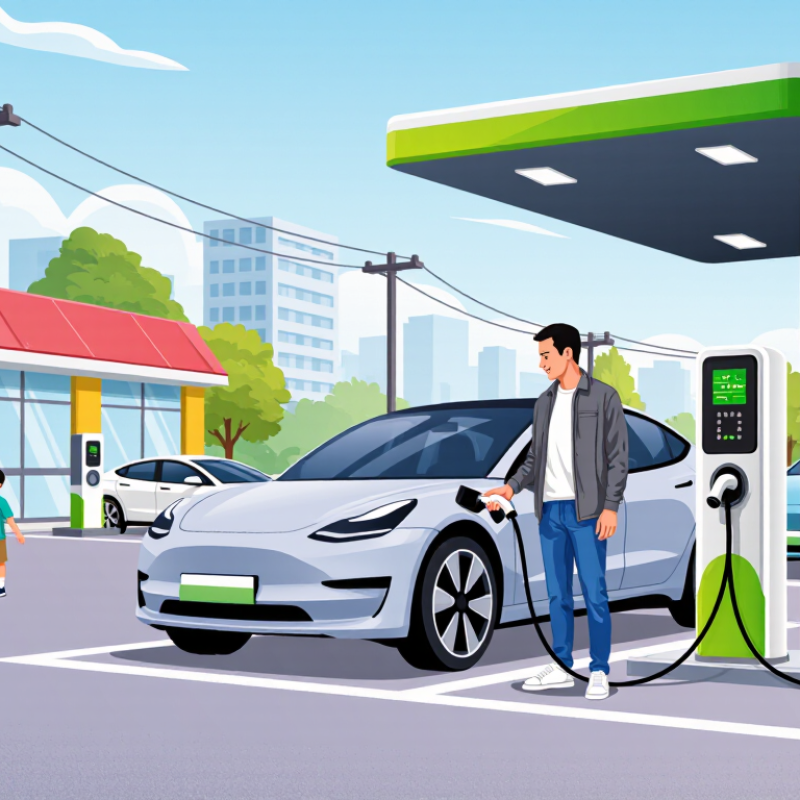
The electric vehicle lifestyle is more than replacing a petrol car with a battery-powered model. It changes ordinary routines. Charging may happen beside a supermarket, at home overnight, or during a family visit. Drivers learn to watch battery levels, weather, traffic, and available charging points. Small decisions become part of the journey.
Energy strategist Tony Seba has described the electric car as “a computer on wheels.” His observation helps explain this broader lifestyle shift. An EV combines transportation, software, energy management, and connected services. Drivers may schedule charging for cheaper electricity, preheat the cabin before leaving, or monitor energy use through a phone. These details feel practical, not futuristic.
Still, the experience is not frictionless. Public chargers can be occupied, slow, or unexpectedly unavailable. Apartment residents may face difficult home-charging decisions. Cold weather can also reduce driving range. These weaknesses deserve honest attention. They prevent the electric vehicle lifestyle from becoming a glossy promise.
Reliable evidence matters here. Reports from the International Energy Agency show that electric vehicle adoption is expanding, while charging infrastructure continues to develop. Real owners add another form of expertise. Their daily experiences reveal what specifications often miss, including cable storage, charging queues, and long-trip planning.
This article explores how EV ownership affects mobility, household habits, costs, and environmental choices. It also considers where enthusiasm should pause. An electric vehicle can simplify some routines, but it cannot solve every transport problem. The lifestyle remains practical, evolving, and imperfect.
Defining the Electric Vehicle Lifestyle
The electric vehicle lifestyle is less about owning a different car and more about changing daily routines. Drivers often plan charging around sleep, work, shopping, and longer journeys. Charging becomes personal. A quiet home charger may replace weekly fuel stops, while apartment residents may depend on public stations. According to the International Energy Agency’s Global EV Outlook 2025, global electric car sales exceeded 17 million in 2024, representing more than one-fifth of new car sales.
This lifestyle also encourages closer attention to energy use. Drivers may compare electricity tariffs, monitor battery levels, and adjust speed to protect driving range. The U.S. Department of Energy reports that regenerative braking can improve efficiency by recovering energy during deceleration. However, real-world efficiency changes with cold weather, heavy loads, traffic, and heating demands. Range estimates are useful, but they are not promises.
The lifestyle includes practical environmental awareness, not automatic perfection. The International Council on Clean Transportation found that battery-electric cars generally produce substantially lower lifetime greenhouse gas emissions than combustion vehicles in major markets. Still, battery production requires minerals, energy, and responsible supply-chain management. Charging from a carbon-intensive grid also reduces the climate advantage. Some drivers may feel frustrated by limited fast-charging access or long apartment parking queues. These imperfections matter. They show that electric mobility depends on infrastructure, electricity systems, housing patterns, and honest consumer expectations.
What Is the Electric Vehicle Lifestyle? - Defining the Electric Vehicle Lifestyle
A practical overview of the daily habits, energy needs, costs, and environmental considerations commonly associated with electric vehicle ownership.
| Lifestyle Dimension | Typical Data or Range | What It Means in Daily Life |
|---|---|---|
| Daily Driving Pattern | Approximately 30–60 km per day for many regular commuters | Most routine journeys can be covered without visiting a public charging station every day. |
| Typical Energy Consumption | About 15–25 kWh per 100 km for many passenger EVs | Driving efficiency depends on vehicle size, speed, temperature, terrain, traffic, and heating or air-conditioning use. |
| Home Charging | Common AC charging power: 3.7–11 kW | Overnight charging can add a substantial amount of driving range while the vehicle is parked at home. |
| Public AC Charging | Common charging power: 7–22 kW, where supported | Useful for workplaces, shopping areas, hotels, and longer parking periods. |
| Public DC Fast Charging | Approximately 50–350 kW at compatible stations | Primarily used for road trips or time-sensitive charging; actual speed falls as the battery approaches a high state of charge. |
| Charging Time | Several hours at home; often about 20–45 minutes for a rapid partial charge | Charging is usually integrated into parking and daily routines rather than treated like a separate fuel stop. |
| Charging Losses | Often around 10–15% between electricity supplied and energy stored | Electricity planning should account for charging and thermal-management losses, not only the battery’s rated capacity. |
| Driving Range | Common real-world range: roughly 250–500 km, depending on vehicle and conditions | Cold weather, high speeds, heavy loads, and cabin heating can reduce achievable range. |
| Energy Cost | Cost is calculated from kWh used multiplied by the local electricity tariff | Home charging is often easier to budget, while public charging prices vary by location, power level, and payment model. |
| Regenerative Braking | Kinetic energy is partially recovered during deceleration | One-pedal driving can reduce the need to use the friction brakes in stop-and-go traffic. |
| Maintenance Routine | No routine engine-oil or spark-plug changes; tires, brakes, fluids, and filters still require service | Maintenance schedules are generally simpler, although tire wear and suspension needs remain important. |
| Battery Longevity | Modern traction batteries are commonly designed for many years of service; coverage periods often begin around 8 years or 160,000 km | Battery condition depends on usage, climate, charging habits, age, and thermal management. |
| Trip Planning | Long trips may require charging stops every 2–4 hours, depending on range and conditions | Route planning includes charger availability, charging speed, weather, elevation, and backup options. |
| Home Parking Access | A dedicated parking space with safe electrical access is highly convenient but not essential | People without home charging may rely on workplace, community, retail, or highway charging. |
| Environmental Impact | Operational greenhouse-gas emissions are zero at the tailpipe; total lifecycle impact varies by electricity mix and battery production | The climate benefit is generally greater where electricity generation has a lower carbon intensity. |
| Lifestyle Mindset | Plan charging around parking, monitor energy use, and adapt driving habits | The electric vehicle lifestyle emphasizes energy awareness, routine charging, efficient driving, and practical trip preparation. |
Note: Values are broad, brand-neutral estimates for passenger electric vehicles. Actual results vary by vehicle design, battery size, climate, driving conditions, electricity prices, charging equipment, and local infrastructure.
Related Posts
-
2026 Best Electric Vehicle Lifestyle Choices for Buyers?
-
7 Best Home Energy Management Systems for Global Buyers
-

Top 10 Green Energy Trends Shaping the Future Today?
-

What is Clean Energy Technology and How Can It Benefit You?
-

China Best Solar Panels What Are Solar Power Benefits?
-

2026 Top Sustainable Living Solutions for Global Buyers?
Talk to a solar expert
Fill out the form and our team will be in touch with a free quote based on your local incentives and payment options.