2026 Top Trends in Home Energy Management Solutions?
In recent years, the demand for innovative home energy management solutions has surged. Experts predict that by 2026, these solutions will fundamentally change how we consume and conserve energy in our homes. Dr. Emily Larson, a leading authority in the home energy management industry, emphasizes, "The future of energy efficiency lies in our hands, and technology is the key to unlocking it."
As we transition into this new era, homeowners will face both opportunities and challenges. The rise of smart devices, like energy-efficient appliances and advanced thermostats, will be pivotal. However, many homeowners still lack awareness of these technologies and their benefits. Education will be essential to drive adoption and ensure that everyone can enhance their home energy management practices.
The potential for reducing energy costs and environmental impact is enormous. Yet, concerns about the reliability of new technologies linger. Not all devices deliver on their promises. Homeowners must approach these solutions critically, balancing enthusiasm with a healthy dose of reality. The future looks bright, but it requires informed choices and a commitment to sustainable living.
Emerging Technologies in Home Energy Management for 2026
As we look towards 2026, several emerging technologies are reshaping home energy management. Smart home devices will increasingly integrate with energy systems, allowing users to monitor their consumption effortlessly. Imagine adjusting energy usage in real-time through an intuitive app. This could significantly enhance energy efficiency.
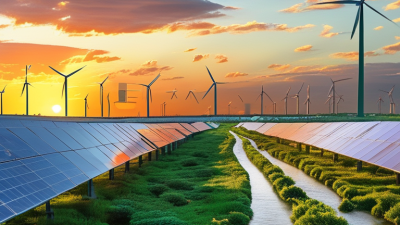
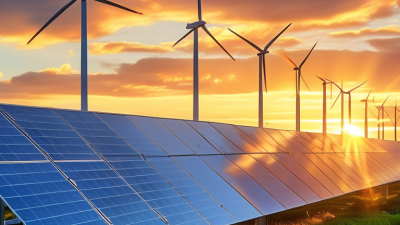
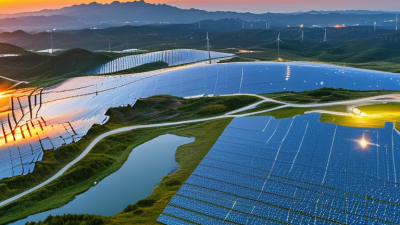
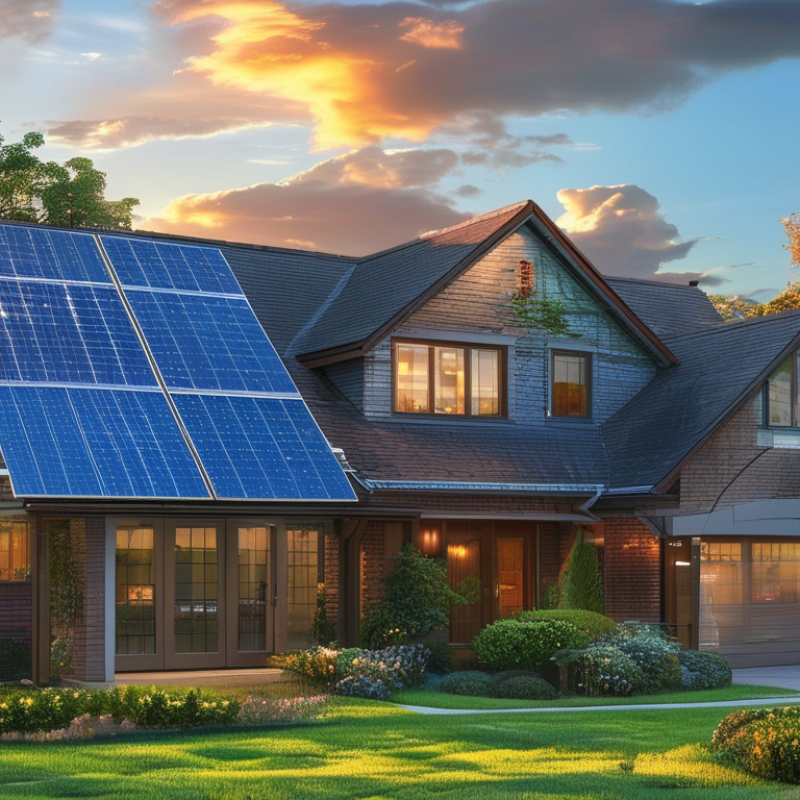
Renewable energy sources, such as solar panels and wind turbines, will play a pivotal role. With advancements in energy storage, homeowners can optimize their energy use. A battery system may store excess energy generated during the day. This stored energy can then be utilized at night, reducing reliance on the grid. The shift to renewables requires careful consideration. Not every home is suited for solar installations, and regional policies vary significantly.
Artificial intelligence will also emerge as a key player in optimizing energy consumption. AI algorithms can predict usage patterns and recommend adjustments. However, this technology comes with challenges. It may struggle with inconsistent patterns or atypical usage, making personalized recommendations less effective. Homeowners must remain engaged to fully leverage these innovations.
Integration of Smart Home Devices for Enhanced Energy Monitoring
As we look towards 2026, the integration of smart home devices plays a pivotal role in energy management. A recent report by the International Energy Agency revealed that households with smart technologies can reduce energy consumption by up to 30%. This statistic underscores the importance of utilizing energy-efficient devices for monitoring and managing power use.
Smart devices, such as smart thermostats and energy monitors, offer real-time insights into energy consumption. These devices can communicate with each other, creating a cohesive energy management system. For instance, smart thermostats adjust heating and cooling based on occupancy patterns. This might lead to potential energy savings, particularly during peak times. Yet, not all households are fully equipped to take advantage of these systems. Over 40% of Americans are unaware of energy-monitoring options available to them.
While smart home technology promises enhanced energy efficiency, user experience varies significantly. Many devices require a learning curve. Some users express frustration when setting up automation routines. Without proper education or support, households may struggle to reap the benefits. As smart home technology evolves, there is a pressing need for user-friendly solutions that empower consumers to navigate these innovations effectively. Addressing these challenges can maximize energy savings and promote broader adoption.
Impact of Renewable Energy Sources on Residential Energy Management
The rise of renewable energy sources is reshaping residential energy management. Homeowners now have access to solar panels, wind turbines, and energy storage solutions. These technologies enable households to generate and store their own energy. Consequently, this independence can lead to significant cost savings.
However, integrating these solutions can be challenging. Homeowners may struggle with installation processes or grid compatibility. There may also be concerns about the upfront costs involved. While incentives exist, many still question the long-term benefits. Furthermore, not all homes are optimally suited for these technologies.
Smart home systems are crucial in managing renewable resources efficiently. They optimize energy use based on availability and demand. Yet, many homeowners lack the necessary knowledge to implement these technologies fully. As the market evolves, education remains essential. This ensures users can make informed decisions about their energy consumption. Balancing efficiency and practicality remains a key challenge.
2026 Top Trends in Home Energy Management Solutions
This chart illustrates the projected increase in the adoption of renewable energy sources and energy management technologies in residential homes by 2026. The data represents the percentage of households utilizing each solution, highlighting the growing trend towards sustainability in home energy management.
Consumer Behavior Trends Influencing Home Energy Solutions
As energy costs rise, consumers are adapting their behaviors. Reports indicate that over 70% of homeowners are more conscious about their energy consumption now than five years ago. This shift is evident in the increasing interest in home energy management solutions. Consumers are investing in smart thermostats and energy-efficient appliances, aiming to cut costs and enhance sustainability.
A recent industry survey revealed that 67% of homeowners prioritize energy-efficient technologies when upgrading their homes. This trend is fueled by the growing awareness of climate change and the desire for lower utility bills. Interestingly, millennials lead this movement, with 80% willing to invest in energy management solutions. They are particularly drawn to integrated systems that provide real-time data on power usage.
Yet, challenges remain. The complexity of various technologies can overwhelm consumers. Many feel uncertain about which solutions truly yield savings. Education and clear communication are vital in this evolving market. Consumers seek reliable information to guide their purchasing decisions. Manufacturers must address this gap to build trust and empower informed choices.
Regulatory Changes Shaping the Future of Home Energy Management
Regulatory changes are steering the future of home energy management solutions. Local governments and international bodies are introducing new policies aimed at promoting energy efficiency. According to a report by the International Energy Agency (IEA), regulations could cut household energy use by 20% by 2030. This is an ambitious goal that reflects growing concerns about climate change.
One significant trend is the rise of incentive programs for homeowners. Various regions are implementing tax credits for energy-saving home upgrades. Data from the U.S. Department of Energy shows that households participating in such programs reduced their energy bills by 15% on average. However, participation remains uneven, often skewed by socioeconomic factors. This creates gaps where committed homeowners may not fully benefit from available resources.
Furthermore, the emergence of smart home technologies is being influenced by regulatory frameworks. Many jurisdictions now require new homes to include energy-efficient appliances. The Energy Star certification has become a benchmark, influencing consumer choices. However, not all users understand the implications of these technologies. This disconnect can limit the effectiveness of regulations. Without proper education, many homeowners struggle to navigate incentives and tools designed to enhance energy management.