Skip to content

What Is Driving Global Home Sustainability Trends?

Global home sustainability trends are changing how people build, renovate, and live. The shift is visible in ordinary places: insulated lofts, rooftop solar panels, heat pumps, low-flow taps, and kitchens designed to waste less food. These choices are no longer limited to experimental eco-homes. They increasingly respond to energy prices, climate risks, tighter building standards, and homeowners seeking greater comfort.

Carl Elefante, FAIA, an architect and former president of the American Institute of Architects, offered a useful principle: “The greenest building is the one that is already built.” His statement explains why renovation often matters as much as new construction. Repairing drafty windows, improving insulation, and reusing existing structures can reduce emissions without creating unnecessary construction waste. Yet the answer is not always simple. A poorly planned retrofit may cost more, disturb historic materials, or consume products that later require replacement.

That uncertainty makes evidence essential. Reliable home sustainability trends should be judged through measurable energy savings, product durability, indoor-air quality, water use, and lifecycle impacts. A smart thermostat may reduce heating demand, but only when residents use it properly. Solar panels can lower household emissions, but their value depends on location, installation quality, and grid conditions. Small details matter.

The movement is promising, but it is not flawless. Some green claims remain vague. Some efficient products are financially unreachable. This article examines what is truly driving home sustainability trends, from policy and technology to changing consumer expectations, while questioning which solutions deliver lasting benefits.

What Is Driving Global Home Sustainability Trends?

Buildings and Construction Consume 32% of Global Energy, UNEP Reports

What Is Driving Global Home Sustainability Trends?

Buildings and construction consume 32% of global energy, according to the United Nations Environment Programme. This figure places homes at the center of the sustainability debate. Energy use often hides behind ordinary routines: heating a bedroom, cooling a kitchen, or running hot water. In older buildings, weak insulation can turn a small draft into a constant energy drain. A simple site inspection may reveal cold walls, fogged windows, and heating systems working longer than necessary. These details matter because household energy demand is shaped by building design, not only personal habits.

Better performance usually begins with practical upgrades. Insulation, efficient ventilation, shaded windows, and smart temperature controls can reduce waste when properly installed. Local climate must guide each decision. A solution suited to a humid coastal home may fail in a dry inland area. Reliable planning also requires measured energy bills, qualified assessments, and transparent information about expected savings. Yet sustainability work is rarely perfect. Renovations can cost more than families expect, and poorly coordinated improvements may create moisture problems. This is where professional standards and post-installation checks become essential. Progress may look less dramatic than a new building, but a warmer floor, steadier indoor temperature, and lower monthly demand show how global targets enter daily life.

Energy Costs and Net-Zero Rules Push Homes Toward Deep Retrofits

Across many regions, rising energy bills are changing how homeowners view efficiency. A poorly insulated roof can turn a winter heating system into a constant expense. Net-zero rules add pressure by tightening building standards and disclosure requirements. The shift is practical, not purely environmental. People want warmer rooms and fewer surprises.

Deep retrofits go beyond replacing light bulbs. They may involve airtightness testing, roof insulation, high-performance windows, heat pumps, and smart ventilation. A home energy audit should guide the sequence, because upgrades can interact. For example, sealing drafts without checking ventilation may create moisture problems. Experienced contractors measure indoor humidity and temperatures before recommending equipment. That evidence matters more than a glossy promise.

Policy deadlines can make this work feel urgent, yet rushed projects often expose hidden weaknesses. Older walls may contain damp areas, weak wiring, or structural details that drawings missed. Costs vary sharply by climate, building age, and local labor. A modest first phase may be wiser than a complete renovation. Still, I question whether every household can afford the same path. Support schemes help, but paperwork and upfront costs remain real barriers. The best plans leave room for maintenance, future rules, and honest learning.

What Is Driving Global Home Sustainability Trends? — Energy Costs and Net-Zero Rules Push Homes Toward Deep Retrofits
Market or Policy Area Verified Indicator Reported Value Time Frame How It Drives Home Sustainability Retrofit Priority
Global buildings sector Share of global energy demand Approximately 30% 2022 Buildings remain one of the largest energy-consuming sectors, making residential efficiency a central part of emissions-reduction strategies. Very high
Global buildings sector Share of energy-related carbon dioxide emissions Approximately 26% 2022 The sector’s emissions profile increases pressure for insulation, efficient heating, lower-carbon electricity and building-performance improvements. Very high
European Union Reduction target for average primary-energy use in residential buildings 16% by 2030; 20–22% by 2035 Targets under the recast Energy Performance of Buildings Directive Member states must establish national pathways that encourage renovation of the least efficient homes and improve the overall building stock. Very high
European Union Fossil-fuel heating transition National road maps should aim to phase out fossil-fuel boilers by 2040 Directive adopted in 2024 Homeowners and landlords face growing incentives to replace fossil-fuel heating with heat pumps, district heating or other lower-emission systems. High
United Kingdom Residential energy-performance policy direction All homes targeted toward EPC C or better by 2035, subject to consultation and policy changes Government target announced in 2020 Energy-performance standards have increased attention on loft insulation, wall insulation, glazing, ventilation and heating-system upgrades. High
United States Federal home-efficiency tax-credit ceiling Up to US$3,200 per year for qualifying efficiency improvements Inflation Reduction Act provisions effective from 2023 Tax incentives reduce the upfront cost of insulation, efficient windows, doors and qualifying home-energy improvements. High
United States Federal heat-pump tax-credit ceiling Up to US$2,000 for qualifying heat pumps Inflation Reduction Act provisions effective from 2023 Financial support improves the economics of replacing fossil-fuel heating systems with high-efficiency electric alternatives. High
Japan New-build energy-performance requirement Energy-efficiency standards required for all new buildings Requirement scheduled to apply from fiscal year 2025 Although focused on new construction, the rule strengthens demand for high-performance envelopes, efficient equipment and lower operational energy use. Medium
Australia National residential energy-rating standard Minimum average rating increased from 6 to 7 stars National Construction Code 2022 Higher minimum standards increase the importance of passive design, insulation, glazing, shading and efficient building services. Medium
Global household economics Main financial drivers of retrofit decisions Energy-bill savings, policy compliance, resilience and property value Ongoing trend Volatile energy prices and tightening climate rules are shifting renovation decisions from cosmetic upgrades toward whole-home, multi-measure retrofits. Growing

Note: Figures reflect the cited policy documents and sector assessments available for the stated periods. Targets and incentives may vary by jurisdiction, household eligibility and implementation rules.

Sources: International Energy Agency, Buildings; UNEP Global Status Report for Buildings and Construction; European Commission, Energy Performance of Buildings Directive; UK Government, Energy White Paper; U.S. Internal Revenue Service, Energy Efficient Home Improvement Credit; Japan Ministry of Land, Infrastructure, Transport and Tourism; Australian Building Codes Board, Residential Energy Efficiency.

Heat-Pump Sales Grew 11% in 2022, IEA Data Shows

Heat-pump sales grew 11% in 2022, according to International Energy Agency data. This rise reflects stronger interest in efficient home heating and cooling. Households face higher energy costs, tighter building standards, and growing climate concerns. A heat pump can move heat instead of creating it directly. That principle often reduces energy use, although results depend on insulation, electricity sources, and local weather.

The trend is visible in renovation projects, new housing, and public energy programs. In practical terms, homeowners may notice quieter operation, steadier indoor temperatures, and less dependence on combustion heating. However, installation costs remain significant. Skilled technicians are not available everywhere. Cold climates also require careful system sizing and backup planning. The picture is not perfect. Sales growth does not automatically mean equal access or lower bills for every household.

Tips: Check your home’s insulation before choosing equipment. Ask for a seasonal efficiency estimate, not only a headline rating. Compare installation, maintenance, and electricity costs over several years. Keep written performance records after installation. They can reveal problems early. A local energy assessment is useful, but it may not be independent. Ask what assumptions support its recommendation.

Policy support is another major driver. Rebates, low-interest financing, and minimum efficiency rules can reduce upfront barriers. Yet policies change, sometimes confusing homeowners and contractors. Reliable guidance should explain both benefits and limitations. The strongest decisions combine measured household data, qualified advice, and realistic expectations rather than optimistic promises.

Solar PV Capacity Exceeded 1.4 TW in 2023, IRENA Reports

What Is Driving Global Home Sustainability Trends?

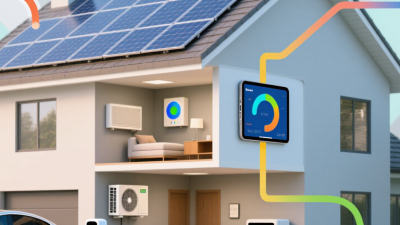
Solar PV capacity exceeded 1.4 terawatts in 2023, according to the International Renewable Energy Agency. This figure reflects a major shift in how households view energy. Rooftops are becoming small power stations, especially where electricity prices are high or grids remain unreliable. Falling equipment costs, supportive policies, and better installation knowledge are accelerating adoption.

The change is visible in practical home decisions. A family may combine rooftop panels with insulation, efficient cooling, and a battery. A simple afternoon shadow can reduce output, however. Roof direction, local weather, and wiring quality matter more than attractive forecasts. Homeowners also need clear information about maintenance, safe installation, and expected payback periods.

The picture is not tidy.

Solar expansion does not benefit every household equally. Renters may lack roof access, while lower-income families can struggle with upfront costs. Recycling old equipment also deserves greater attention as installations increase. IRENA’s capacity data shows strong global momentum, but capacity alone cannot measure fairness, reliability, or real household savings. A sustainable home needs more than panels; it needs sound building design, responsible financing, and electricity systems that can manage changing sunlight.

Cooling Demand Could Triple by 2050, Making Passive Design Essential

What Is Driving Global Home Sustainability Trends?

Cooling demand could triple by 2050, according to widely cited energy projections. That pressure makes passive design essential, not decorative. Homes need less heat before mechanical cooling begins. Deep roof overhangs can shade windows during high summer sun. External shutters work well too. Cross-ventilation can move warm air through rooms after sunset. High ceilings may improve comfort in suitable climates.

In practice, passive design starts with local weather, not a universal template.

A coastal home needs different details from a dry inland house. Designers study sun paths, wind direction, humidity, and nighttime temperatures. Insulation, airtight construction, and reflective roofs can reduce unwanted heat transfer. Thermal mass may stabilize indoor temperatures, but it can also trap heat when night cooling is weak. That limitation is easy to overlook.

Cooling systems will still matter during heatwaves. Passive measures reduce their workload, rather than replacing them completely. Household behavior matters as well. Closing blinds before noon can protect a room from afternoon heat. Opening windows at the wrong time can make conditions worse.

Building assessments should measure indoor temperatures, moisture, and energy use after occupation. Design predictions sometimes look stronger on paper than they feel in a bedroom at 2 a.m. More research is needed for low-income homes, dense cities, and humid regions. Retrofit budgets remain a difficult constraint.