Top 10 Green Energy Trends Shaping the Future Today?
As the world faces pressing environmental challenges, green energy trends emerge as vital solutions. These innovations play a crucial role in shaping a sustainable future. From solar power advancements to wind energy efficiencies, the landscape is rapidly evolving. The shift toward renewable resources is not just idealistic; it is essential for addressing climate change and resource depletion.
Investments in green technologies are increasing. Businesses and governments realize the importance of transitioning to sustainable practices. Innovative startups are exploring new avenues for energy production. However, challenges remain. Distribution and storage issues hinder growth. Political factors can complicate these advancements. The path forward is not always clear, but one thing is certain: green energy trends are pivotal for future progress.
The dialogue around energy transition continues to grow. Awareness and education are key components. We must critically evaluate current approaches. By understanding green energy trends, stakeholders can better plan investments and policies. Engaging the community in these discussions is essential to drive meaningful change.
Emergence of Solar Energy Innovations in Everyday Life
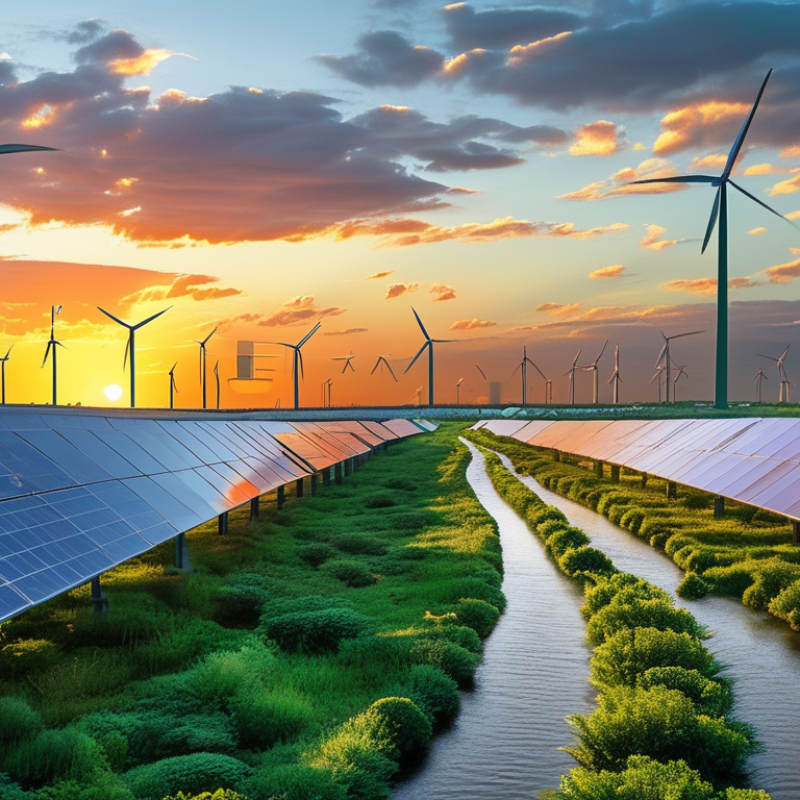
The rise of solar energy is reshaping our daily lives. Solar panels are becoming more affordable and accessible. Many homeowners now install these panels to harness sunlight. This innovation reduces electricity bills significantly. Solar energy contributes to lowering carbon footprints too.
Tips: Consider installing solar lights in your garden. They are easy to use and require no wiring. Additionally, smart home systems can optimize solar energy use. This helps maximize savings while minimizing waste.
The integration of solar technology in various devices is noteworthy. Solar chargers for phones and laptops are now common. They offer a convenient way to stay powered on-the-go. However, reliance on solar technology still presents challenges. For instance, cloudy days limit energy capture.
Tips: Check your local climate when planning solar installations. Understanding patterns will help set realistic energy goals. Awareness of these limitations encourages thoughtful energy usage. This can enhance one's commitment to sustainability.
The Rise of Energy Storage Solutions and Battery Technologies
Energy storage solutions and battery technologies are crucial in today’s green energy landscape. According to a recent report by the International Energy Agency, global energy storage capacity could reach over 2,000 gigawatt-hours (GWh) by 2040. This shift underscores the increasing demand for reliable storage systems that can harness renewable energy sources like solar and wind.
Battery technologies are evolving rapidly. Solid-state batteries, for instance, promise higher energy density and improved safety over traditional lithium-ion systems. The market for these batteries is projected to exceed $50 billion by 2025. However, challenges remain, such as production scalability and supply chain sustainability. The reliance on rare materials raises questions about environmental impact and ethical sourcing, which warrants careful consideration.
Transporting energy efficiently is another aspect of this trend. The need for innovative solutions is urgent. Current infrastructure struggles to keep pace with the growing energy demands. Reports indicate that nearly 30% of produced energy is wasted due to inefficiencies in storage and transmission. Addressing these challenges is paramount for achieving a reliable and sustainable energy future. Balancing technological advances with ethical practices will shape the industry's trajectory in the years ahead.
Expansion of Wind Energy Projects in Urban Areas
Urban areas are increasingly embracing wind energy projects. This shift is crucial as cities seek sustainable solutions. According to the Global Wind Energy Council, global wind capacity reached 743 GW in 2021. Urban wind installations are a promising segment of this growth.
Cities face unique challenges. Limited space, noise, and visual impact are concerns. Yet, innovations like vertical-axis wind turbines are gaining traction. These turbines are quieter and smaller. They can fit into many urban environments. Research indicates that integrating wind energy in cities can reduce carbon emissions by up to 30%.
Moreover, community acceptance plays a crucial role. Public perception of wind projects is often mixed. While some embrace the green benefits, others worry about aesthetics and noise. Addressing these concerns is vital for successful implementation. Studies show that community engagement improves project outcomes significantly. Urban wind energy projects represent a step forward, but holistic strategies are needed.
Integration of Smart Grids and Energy Management Systems
The integration of smart grids and energy management systems is revolutionizing how we consume and distribute energy. Smart grids utilize advanced technology to enhance the efficiency of electricity use. They enable two-way communication between utilities and consumers, which allows for real-time adjustments in energy consumption. This shift toward more responsive and efficient systems is critical in managing the increasing demand for renewable energy sources.
Energy management systems (EMS) play a crucial role in this integration. EMS help monitor, control, and optimize energy usage across various sectors. They utilize data analytics to provide insights into consumption patterns. With precise data, users can make informed decisions, reducing waste and lowering costs. However, the complexity of implementing these systems can be daunting for some organizations. The need for training and a shift in mindset adds to the challenge.
Despite these obstacles, the benefits are undeniable. With enhanced integration, businesses and consumers can achieve greater sustainability. Smart grids can blend renewable sources into conventional grids, making energy cleaner and more reliable. Yet, not all regions are equipped for this transition. Infrastructure disparities raise questions about equity in energy access. As more areas adopt these technologies, it becomes essential to address these gaps thoughtfully.
Growth of Renewable Energy Policies and Government Incentives
Governments worldwide are increasingly recognizing the importance of renewable energy policies. Such initiatives aim to reduce carbon emissions and combat climate change. This shift is not just a trend but a necessity. Many nations now offer incentives for solar and wind energy projects. These incentives include tax breaks and grants.
Some regions have seen significant improvements in clean energy generation. However, the implementation of these policies can vary greatly. In some areas, bureaucratic hurdles slow down progress. Local governments may lack the resources to effectively enforce these policies. This inconsistency can create gaps in renewable energy adoption.
Incentives can encourage businesses and homeowners to invest in green energy solutions. This shift can drive innovation and lower costs for consumers. Yet, there are challenges. Some policies might favor large corporations over small businesses. This can lead to unequal benefits and hinder broader access to renewable energy resources. The approach must be inclusive for a truly sustainable future.