Energy buyers in 2026 face a practical question: which systems can lower costs, strengthen resilience, and fit the site they actually have? Future energy systems include rooftop solar paired with batteries, heat pumps, flexible buildings, microgrids, and emerging options such as small modular reactors and low-carbon hydrogen. Their value depends on local conditions. A warehouse with daytime demand has different needs from a rural clinic facing outages. Details matter.
This guide examines the leading options through a buyer’s lens: installation costs, operating needs, grid connections, reliability, and the maturity of available technology. Solar and storage may suit some facilities, while demand management or a heat pump may deliver more value elsewhere. Hydrogen and advanced nuclear deserve attention, but their costs, timelines, and local availability can remain uncertain. No easy winner. Even strong forecasts can miss permitting delays, equipment lead times, or the limits of an existing electrical connection. Buyers should verify vendor claims against site data, independent assessments, and realistic lifecycle estimates. The neat answer is rarely the full answer. By comparing what is ready now with what may become practical later, readers can identify systems worth evaluating—and questions to ask before signing a contract.
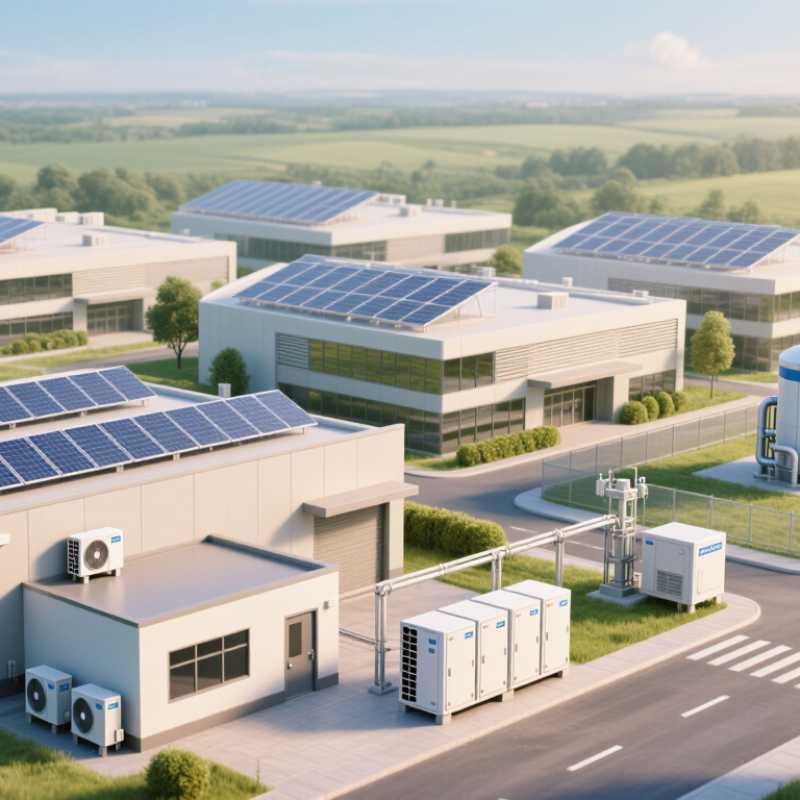
In 2026, buyers should define their energy needs before choosing a system. Start with the load, not the technology. Which hours matter most? How much downtime can a site tolerate?
The IEA’s Electricity 2025 report projects global electricity demand will grow by an average of 3.9% annually from 2025 to 2027. Buyers therefore need to compare hourly demand, local grid constraints, and expected growth—not just annual bills.
Reliability means different things on different sites. A cold-storage facility may need backup through a long outage; an office may prioritize predictable costs during peak hours.
IRENA’s Renewable Capacity Statistics 2025 reports that renewables added 585 gigawatts worldwide in 2024, representing 92.5% of total power-capacity additions.
That is substantial, but new capacity alone does not guarantee power at the right place or time. Buyers should ask how storage, flexible demand, and backup generation fit their actual operating schedule.
Digital demand adds another variable. The IEA’s Energy and AI report projects data-centre electricity use could reach 945 terawatt-hours by 2030.
Buyers with growing digital loads may need to test expansion plans against both connection capacity and price exposure. They should also specify emissions-reporting needs and acceptable trade-offs between cost and resilience.
Some needs remain fuzzy. A forecast can look precise and still miss a hot week, a delayed connection, or a changed shift pattern.
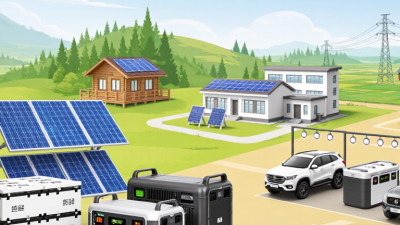
Buyers in 2026 can choose rooftop solar paired with home batteries, standalone storage, heat pumps, smart electric-vehicle charging, or shared community energy. The right system depends on the building, local grid, climate, and when electricity is used. A battery can shift midday solar power into evening hours, while a heat pump replaces a fuel-burning furnace with an electric heating and cooling system. The hardware is real. But savings vary.
For context, the International Energy Agency reported that global renewable capacity additions reached about 560 gigawatts in 2023. That growth is expanding the menu of options, but it does not mean every home needs solar panels. IRENA’s Renewable Power Generation Costs in 2023 report found that 81% of newly commissioned utility-scale renewable capacity produced electricity more cheaply than fossil-fuel alternatives. Those project-level costs do not guarantee household savings; installation, tariffs, and financing still matter.
Some buyers can start with smart controls or managed EV charging, then add storage later. Others may find a heat pump delivers more practical value than a battery. Ask for a site assessment using actual bills, roof shade, winter temperatures, and hourly rates. Check backup duration, warranty terms, and how the system behaves during outages. Small details matter. Estimates can still miss real-world usage.
| Energy system | What buyers can install or access | Typical scale or performance | Best suited to | Key buying considerations |
|---|---|---|---|---|
| Rooftop solar photovoltaics | Grid-connected panels, with or without a home battery | A 1 kW system may generate roughly 800–1,600 kWh per year, depending on location, orientation, shading, and weather. | Homes and businesses with suitable roof or site area and daytime electricity use | Check roof condition, local permits, export compensation, grid connection rules, and estimated annual generation. |
| Battery energy storage | Residential or commercial batteries paired with solar or charged from the grid | Many residential systems provide about 5–15 kWh of usable storage; output power and usable capacity vary by model and configuration. | Buyers seeking backup power, greater use of their solar generation, or time-of-use bill management | Compare usable capacity, continuous and surge power, backup circuits, warranty terms, and local electricity tariffs. |
| Air-source heat pumps | Systems for space heating and cooling, and in some cases domestic hot water | Seasonal efficiency varies with climate, system design, and building; properly installed units can deliver multiple units of heat per unit of electricity. | New builds and existing buildings where heating equipment is being replaced | Assess insulation, radiator or duct compatibility, cold-weather performance, noise limits, and installer sizing. |
| Ground-source heat pumps | Heat pumps connected to buried horizontal loops or vertical boreholes | System capacity is designed for the building’s heating and cooling load; ground-loop design depends on site conditions and geology. | Long-term projects with suitable land or access for drilling and a stable heating or cooling demand | Check drilling permissions, ground conditions, available space, installation cost, and expected operating savings. |
| Smart EV charging and vehicle-to-home capability | Managed AC charging; compatible vehicles and chargers may also support power export to a home or grid. | Common AC charging rates range from about 3.7 kW to 22 kW, subject to the vehicle, charger, and electrical supply. | EV owners who can schedule charging around solar output or lower-price electricity periods | Confirm electrical capacity, charger compatibility, tariffs, and whether bidirectional charging is supported locally. |
| Solar thermal water heating | Roof-mounted solar collectors connected to a hot-water storage tank | Can supply a substantial share of annual hot-water energy in suitable climates; actual contribution depends on system size, demand, and sunlight. | Buildings with consistent hot-water demand and a suitable collector location | Consider seasonal output, roof orientation, tank space, maintenance, and the backup water-heating system. |
| Small wind power | Small turbines for properties or sites with suitable wind exposure | Energy production depends strongly on average wind speed, turbine height, and local obstacles; a site-specific wind assessment is important. | Rural or exposed sites with adequate space and consistent wind | Check planning rules, setbacks, noise, maintenance access, and measured wind conditions before purchase. |
| Community solar and renewable electricity plans | A subscription or electricity plan linked to shared renewable generation, where available | No equipment is required at the buyer’s property; bill credits and renewable electricity arrangements depend on local program rules. | Renters, apartment residents, and buyers with unsuitable roofs or limited installation options | Review contract length, cancellation terms, fees, eligibility, and how credits appear on the bill. |
| Microgrids and integrated energy management | Coordinated local generation, storage, controls, and sometimes backup generation for a site or group of buildings | Designed to meet a defined site load; system size and ability to operate during grid outages depend on the design. | Campuses, commercial facilities, communities, and critical-load sites | Evaluate outage needs, controls, interconnection requirements, operating responsibilities, and whole-system costs. |
Figures are indicative, not guarantees. Availability, permitting, incentives, electricity tariffs, and system performance vary by location and project.
For buyers comparing future energy systems in 2026, storage matters most when paired with responsive controls. The IEA’s 2024 Batteries and Secure Energy Transitions report says global battery storage additions reached 42 gigawatts in 2023, up more than 130% from 2022. Batteries can absorb midday solar power and release it after sunset. Smart controls decide when to charge, discharge, or delay flexible loads, using forecasts and live electricity prices. At a small commercial site, that could mean charging batteries before the evening peak while keeping a cold room within its safe operating range.
Controls also make existing equipment work harder. ENERGY STAR estimates certified smart thermostats save about 8% on heating and cooling bills on average. Savings vary with building insulation, weather, and occupant habits. Real conditions are messy. A cloudy afternoon can upset a solar forecast, and poorly tuned controls may shift a peak rather than reduce it. Buyers should ask vendors for measured performance data, clear fallback settings, and evidence from comparable sites. A simple dashboard showing battery state, site demand, and indoor temperature can help operators spot problems before bills arrive. The best system is not always the most automated; staff still need to understand what it is doing.
Comparing energy systems in 2026 starts with the full cost, not the headline price. Include installation, financing, maintenance, fuel, and replacement parts over the system’s expected life. A low-cost option can become expensive if fuel prices rise or repairs require specialist visits. Ask for assumptions in writing. They matter.
Reliability depends on location and use. A home with frequent winter outages needs a different setup from a business with steady grid service. Check expected output during cloudy days, heat waves, or peak demand. Ask how storage, backup equipment, and service response affect costs. Test the numbers against your actual bills, not a generic household profile. Estimates are useful, but they can miss local conditions.
Environmental impact also extends beyond operating emissions. Consider equipment manufacturing, material sourcing, land use, water needs, and end-of-life disposal. Compare emissions over the system’s lifetime where credible data is available. No option is impact-free. That is easy to overlook. A practical comparison weighs cost, dependable supply, and environmental trade-offs together, while leaving room to revise assumptions when better local data arrives.
A future energy system may combine rooftop solar, battery storage, a heat pump, and smart controls. Before choosing one, compare its expected output with your actual energy use. Gather twelve months of bills, then note when major appliances run. A household using most power after sunset needs a different battery plan than one using power at midday. Small details matter.
Ask for a site assessment that accounts for roof shade, insulation, local weather, and electrical capacity. Request estimates for ordinary and poor-production days, not just ideal conditions. Check whether the battery, heat pump, and EV charger can communicate with each other. Ask what still works during a grid outage. The answer may be less reassuring than the sales diagram.
Review the full installed cost, maintenance needs, warranty limits, and likely component replacement dates. Compare projected savings using your own utility rates, and ask which assumptions could change. Get the system’s operating limits in writing, including backup duration and charging restrictions. If a proposal feels too neat, question it. I would also leave room for uncertainty: energy prices, household routines, and equipment performance can all shift over time. A clear explanation of those risks is more useful than a confident promise.
Fill out the form and our team will be in touch with a free quote based on your local incentives and payment options.