Explore Top Renewable Power Technology in China for Global Buyers?
In the dynamic landscape of renewable power technology, China stands as a global leader. Experts like Dr. Li Wei, a renowned authority in energy innovation, emphasize, "China's advancements in renewable technology set a benchmark for the world." This statement highlights both China's achievements and the urgency for international buyers to engage with these technologies.
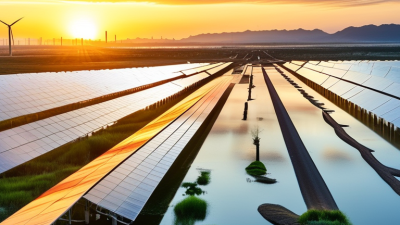
China has invested heavily in solar, wind, and hydro power. The growth of solar farms and wind turbines has been remarkable. For instance, the country produces more than half of the world’s solar panels. This rapid expansion creates opportunities for foreign investors and buyers. However, navigating this market is complex, requiring knowledge of local policies and industry standards.
Many companies overlook the importance of tailored solutions. Not every technology fits every market. Ensuring successful integration requires understanding local needs. Buyers must be ready to adapt and learn. While China's renewable power technology offers great promise, cautious assessment and strategic partnerships are essential for success. Only then can international buyers fully harness the potential of this thriving sector.
Overview of China's Renewable Energy Landscape and Market Potential
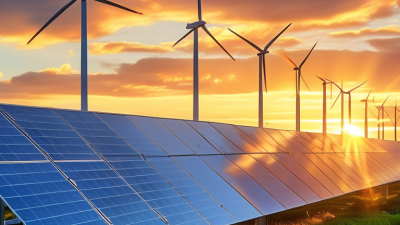
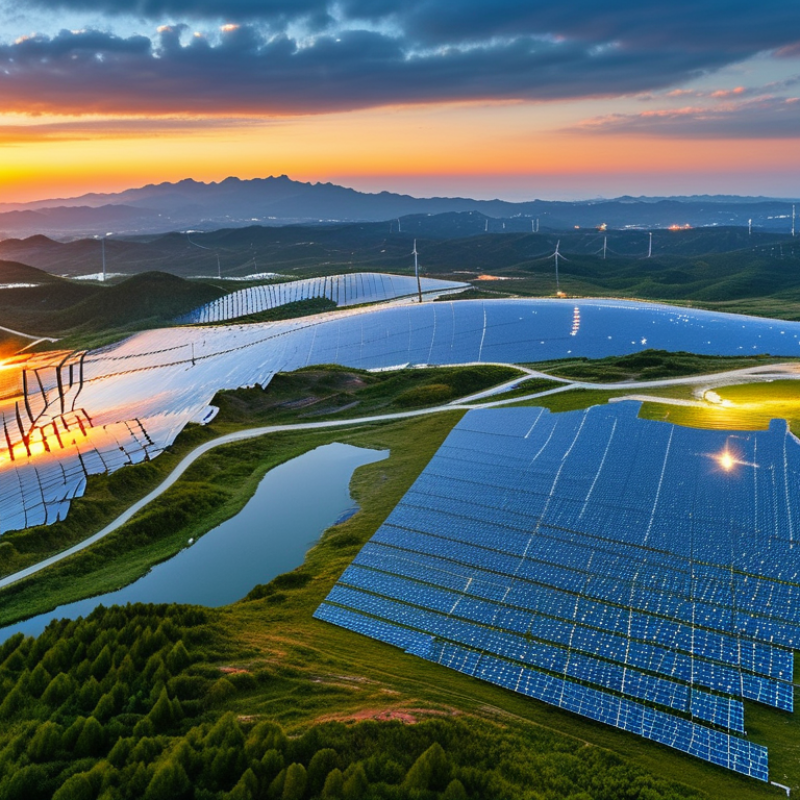
China is swiftly becoming a powerhouse in the renewable energy sector. The market is rich with opportunities for global buyers seeking innovative technologies. Solar and wind energy are leading the charge. China's advancements in solar panel production are particularly impressive. The country dominates the global solar market. Wind energy technology is also rapidly evolving, with increased investments in offshore wind farms.
Despite these advancements, challenges remain. Regulatory frameworks can be complex. Understanding local policies is crucial for foreign buyers. Moreover, quality control can vary among manufacturers. Conducting thorough research is essential to mitigate risks. Collaboration with local partners can also be beneficial, offering insights into the market landscape.
The potential for growth in China's renewable energy market is substantial. The government’s commitment to achieving carbon neutrality by 2060 drives investments in clean energy technologies. However, prospective buyers must navigate a dynamic environment. Adapting to changing regulations and market trends requires agility. Engaging with industry experts can provide valuable guidance in this rapidly evolving field.
Key Renewable Technologies in China: Wind, Solar, and Hydro Power
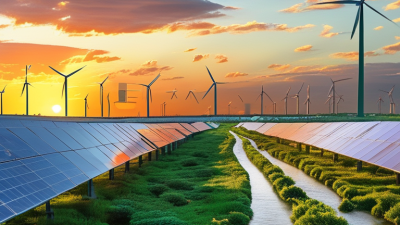
China has rapidly advanced in renewable power technologies, focusing on wind, solar, and hydro power. The country is now a leader in the production of wind turbines. You can find large installations that generate substantial energy. These turbines are not just functional; they symbolize China's commitment to clean energy. However, maintaining these structures poses challenges. Issues like oscillation and wear necessitate continuous innovation.
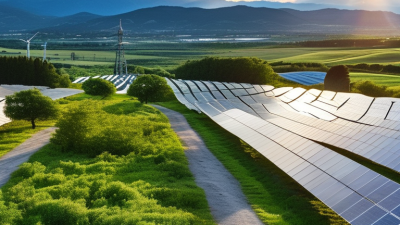
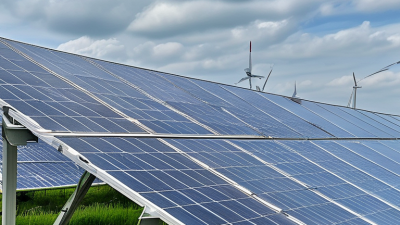
Solar power has seen remarkable growth in China as well. Solar panels are now widespread, adorning rooftops and fields. The efficiency of these panels is improving, but the manufacturing process raises environmental concerns. Waste management remains a struggle, hinting at an area needing reflection and improvement.
Hydro power remains a significant energy source. China's vast rivers enable the construction of large dams. These dams provide clean energy but also disrupt local ecosystems. There is a tension between energy production and environmental sustainability. Each technology has strengths and weaknesses, urging global buyers to consider the larger impact of their investments in renewable energy.
Industry Growth: Statistics on Renewable Energy Investment in China
China's renewable energy sector has witnessed remarkable growth. In recent years, investment statistics highlight the country's commitment to green power. By 2022, China's total investment in renewable energy surpassed $100 billion. This substantial investment is directed towards solar, wind, and hydroelectric power. These sectors alone account for a significant portion of the global renewable energy landscape.
Despite impressive numbers, challenges remain. The rapid pace of growth can sometimes lead to overcapacity, particularly in solar and wind markets. In some regions, power generation exceeds local demand, pushing prices down. This raises questions about sustainability and efficiency. Moreover, regulatory hurdles can slow down project approvals. Investors must be aware of these risks while weighing opportunities.
The future is bright but complex. As China continues to invest heavily, global buyers must stay informed. Understanding market trends and government policies can offer insights into potential investments. Growth is not guaranteed, and investors should evaluate both opportunities and uncertainties in this dynamic sector.
Challenges and Opportunities for Global Buyers in China's Market
China's renewable energy landscape presents both challenges and opportunities for global buyers. In 2022, China's renewable energy capacity reached over 1,300 GW, accounting for more than 40% of the nation's total power generation. This impressive growth stems from significant investments and government policies promoting green technologies. However, navigating this vast market can be daunting for international buyers.
One challenge includes understanding regional regulations. Each province has different guidelines for renewable energy projects. Additionally, quality assurance remains a concern. Reports indicate that approximately 15% of renewable components failed to meet international quality standards, leading to potential risks for investors. Engaging with local experts can mitigate these issues and enhance decision-making.
On the positive side, there are abundant opportunities in solar, wind, and hydropower sectors. Solar energy alone saw a capacity increase of 50% in 2022. Furthermore, the shift towards electric vehicles (EVs) has opened avenues for battery production and energy storage solutions. Collaborating with local firms can provide insights and facilitate smoother market entry. Buyers must remain vigilant and adapt strategies to capitalize on China's dynamic renewable energy landscape.
Explore Top Renewable Power Technology in China for Global Buyers
This chart illustrates the installed capacity of various renewable power technologies in China as of 2022. Solar power leads significantly, followed by wind and hydropower, showcasing the country's focus on transitioning to sustainable energy sources.
Future Trends: Innovations and Policies Shaping Renewable Energy in China
China is at the forefront of renewable energy innovation. Recent policies aim to significantly reduce carbon emissions. This is driven by advancements in solar, wind, and energy storage technologies. With a focus on solar power, efficiency has improved markedly, yet challenges remain. Solar panels can become less efficient in dusty environments, prompting the need for better maintenance solutions.
Wind energy is also expanding rapidly. Offshore wind farms are being developed along the coast. However, the integration of this energy into existing grids presents issues. There is a constant need to adapt infrastructure for better reliability. While these technologies show promise, regional disparities in development exist. Some areas lag behind due to funding and policy inconsistencies.
Battery storage technology plays a crucial role in balancing supply and demand. Innovations are necessary to enhance the lifespan and efficiency of batteries. Current storage solutions may not always meet the growing energy needs. As China accelerates its renewable ambitions, global buyers must stay informed about these evolving trends. This landscape changes quickly, requiring a proactive approach for engagement and collaboration.