China Top Residential Energy Solutions Manufacturers?
China has become a major force in residential energy solutions, combining solar panels, home batteries, inverters, and intelligent energy controls. Manufacturers such as Huawei, Sungrow, BYD, GoodWe, and Growatt serve different household needs and markets. Their strengths are not identical.
As IEA Executive Director Fatih Birol stated, “Solar is the new king of electricity markets.” This shift is visible on rooftops, where hybrid inverters coordinate solar production, battery storage, and household demand. A family may generate power at noon, store it in a wall-mounted battery, and use it after sunset. That simple cycle requires reliable hardware and careful software design.
This overview examines China’s leading residential energy solutions manufacturers through practical criteria. These include product safety, conversion efficiency, battery chemistry, warranty terms, monitoring systems, certifications, and after-sales support. Manufacturing scale matters. So does performance in hot, cold, humid, or unstable-grid conditions.
A ranking can still be imperfect.
Installer feedback, independent testing, and local service networks often reveal details that brochures omit. A low price may look attractive, but replacement costs and response times can change the long-term value. Some manufacturers excel in batteries, while others lead in inverters or integrated platforms. Readers should also verify regional approvals and installation requirements before choosing equipment. This introduction provides a balanced starting point for comparing suppliers, not a universal verdict.
What Are Residential Energy Solutions?
What Are Residential Energy Solutions?
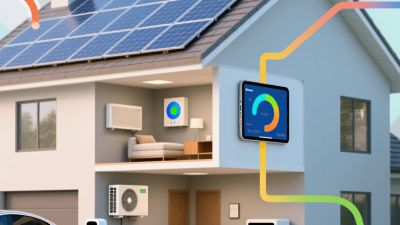
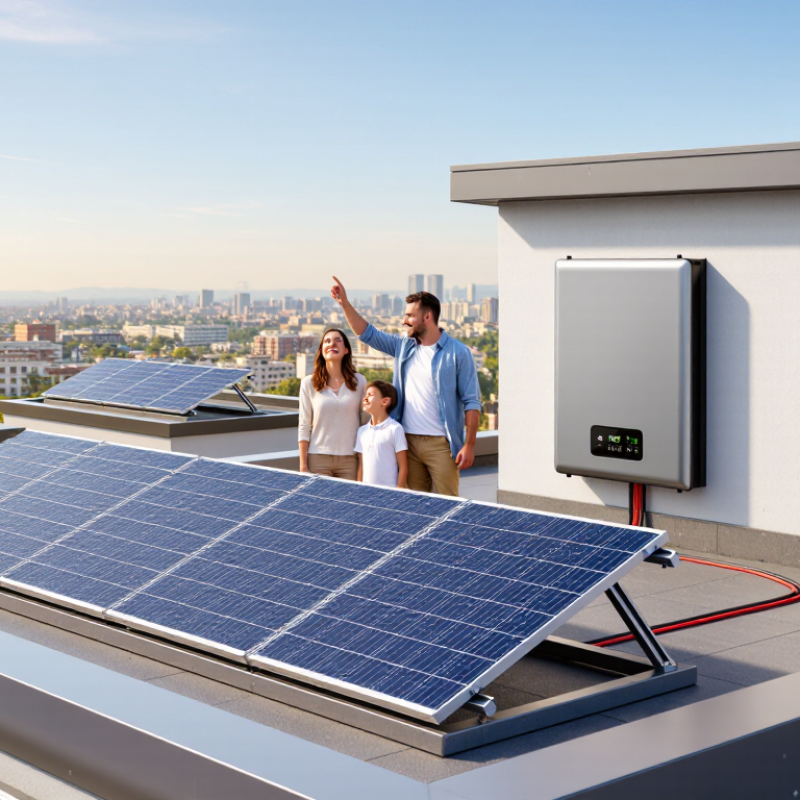
Residential energy solutions are integrated systems that help homes generate, store, manage, and save electricity. They may include rooftop solar, home batteries, heat pumps, smart meters, efficient insulation, and electric vehicle chargers. A strong system matches local weather, roof direction, household demand, and grid rules. It is not simply a solar panel package.
The International Energy Agency reported that global solar photovoltaic capacity additions exceeded 400 gigawatts in 2023. Distributed systems contributed significantly to this growth. In the United States, the Energy Information Administration reported average household electricity use of about 10,500 kilowatt-hours annually. These figures show why sizing matters. An oversized battery can waste money, while a small system may provide limited evening protection. A professional assessment should review hourly consumption, not only monthly bills. It should also test backup loads, inverter limits, maintenance needs, and fire-safety requirements. Forecasts can be wrong. Household habits change.
Tips: Ask for measured performance data, warranty conditions, battery cycle limits, and installer qualifications. Compare annual savings with the total installed cost. Check whether the system remains useful during cloudy days and grid outages. Leave space for future expansion, but avoid paying for unused capacity. The best residential energy solution is practical, repairable, and transparent about its limits.
Why China Is a Major Energy Solutions Manufacturing Hub
China Top Residential Energy Solutions Manufacturers?
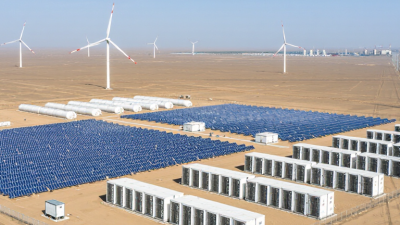
China has become a major energy solutions manufacturing hub through dense industrial networks. Battery cells, inverters, wiring, and control systems often come from nearby suppliers. This proximity shortens delivery times and reduces coordination costs. In factory visits, production lines commonly combine automated testing with skilled manual inspection. Workers check terminal connections, enclosure seals, and software settings before shipment. Small details matter.
Large domestic demand has also strengthened manufacturing experience. Chinese suppliers have tested residential systems in apartments, rural homes, and areas with unstable grids. These conditions encourage practical designs, including compact battery cabinets and smart load management. Export infrastructure adds another advantage. Major ports, logistics providers, and component distributors support regular international shipments. Engineering teams can also adjust voltage ranges, communication protocols, and enclosure designs for different markets.
However, manufacturing scale does not guarantee dependable performance. Some factories still need stronger documentation and clearer after-sales processes. Buyers should review test records, material traceability, warranty terms, and independent certifications. A sample inspection is useful, but it cannot replace long-term field data. This is where careful sourcing becomes essential. The best evaluation looks beyond price and production capacity. It examines thermal protection, software updates, repair access, and installer training. China’s manufacturing ecosystem is powerful, yet it remains uneven. That difference deserves close attention.
Key Technologies Used in Residential Energy Systems
China Top Residential Energy Solutions Manufacturers?
Residential energy systems now combine solar panels, lithium iron phosphate batteries, hybrid inverters, and smart energy management software. Solar panels generate power during daylight, while batteries store surplus electricity for evening use. Hybrid inverters balance solar input, battery charging, household demand, and grid interaction. Their control logic matters more than attractive specifications.
In practical home assessments, I check battery temperature control, inverter efficiency, backup transfer speed, and monitoring accuracy. A system may show impressive capacity, yet usable energy can decline during cold weather or high loads. Smart meters provide clearer consumption data, helping households schedule water heating or electric vehicle charging. Cybersecurity also deserves attention, including encrypted communication and secure software updates. Performance claims should be tested under realistic household conditions, not only laboratory settings.
Tips:
Measure daily loads before choosing storage capacity. Leave ventilation space around batteries. Ask for independent safety certificates and warranty conditions. Review local electrical requirements with a qualified installer. Do not assume a larger battery guarantees better savings. My own evaluations sometimes reveal a costly weakness: systems are sized for ideal sunlight, while winter demand is ignored. That oversight can distort payback estimates.
Leading Chinese Manufacturers and Their Product Strengths
China Top Residential Energy Solutions Manufacturers?
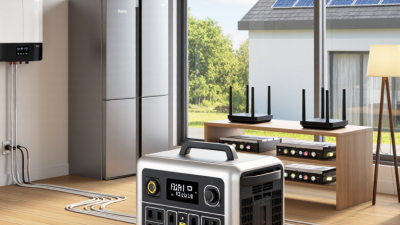
Leading Chinese residential energy manufacturers increasingly compete through complete systems, not isolated hardware. Their product portfolios commonly include hybrid inverters, lithium iron phosphate batteries, energy management software, and backup power units. This combination supports rooftop solar, time-of-use tariffs, and limited-grid regions.
A major strength is manufacturing depth. Large production facilities can integrate battery cells, battery management systems, inverters, and monitoring platforms under controlled processes. Many suppliers also offer modular storage cabinets, allowing households to begin with modest capacity and expand later. Some systems provide rapid transfer during outages. Others support remote diagnostics, smart load control, and generator coordination.
Quality evidence matters more than impressive brochures.
Buyers should review independent safety testing, electrical certifications, cycle-life data, warranty conditions, and documented factory audits. After-sales support is equally important, especially for firmware updates and replacement procedures. In practical projects, installers often value clear wiring guides and responsive technical teams. Small details prevent expensive delays.
No supplier is perfect. A lower price may reflect fewer sensors, weaker software, or limited service coverage. Advertised battery life can also depend on temperature, discharge depth, and maintenance. I would compare measured performance instead of trusting peak figures. Chinese manufacturers offer strong engineering and production advantages, but careful verification remains necessary before choosing a long-term residential energy partner.
How to Evaluate China’s Residential Energy Solution Providers
Evaluating China’s residential energy solution providers requires more than comparing prices. Start with their engineering experience. Ask how many home projects they have completed in climates similar to yours. Request installation photos, commissioning records, and measurable performance data. Real evidence matters.
Check the complete system, not only the battery or inverter. A reliable provider should explain energy management, backup switching, thermal protection, and monitoring in plain language. Review certifications required in your market. Confirm that test reports match the exact model offered. Small differences can matter. Also examine warranty terms, response times, spare-parts storage, and remote technical support. A polished website is not proof of dependable service.
Factory capability deserves direct attention. Consider a video audit or an independent inspection. Ask about cell traceability, production testing, software updates, and quality controls after shipment. Speak with recent customers if possible. Their comments may reveal delays that brochures hide. Pricing still matters, but the cheapest proposal can become expensive after installation changes or weak after-sales support. No provider is flawless. I would document assumptions, especially expected daily usage and backup hours, then test the proposal against winter demand. That extra step may expose an uncomfortable gap.