What Are China Top Electric Vehicle Lifestyle Brands?
China’s electric vehicle market has evolved beyond transport. It now shapes daily routines, digital habits, and personal identity.
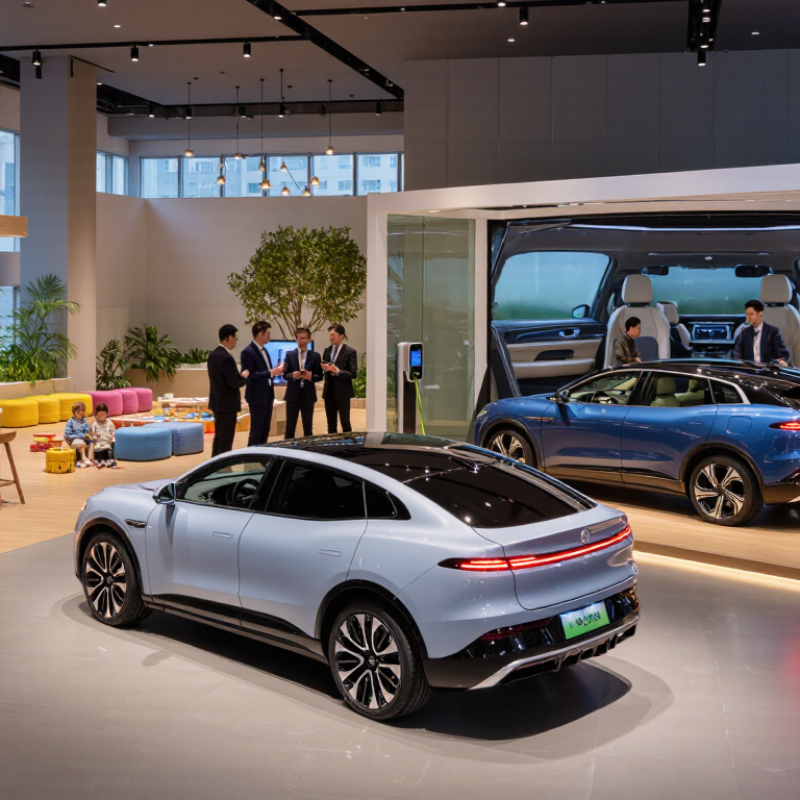
Brands such as NIO, Li Auto, ZEEKR, Xiaomi EV, and AITO present cars as connected lifestyle platforms. Their showrooms may include coffee bars, child-friendly spaces, or private member events. Inside the vehicle, passengers find large screens, voice controls, reclining seats, and mobile connectivity. These details make ownership feel closer to joining a technology community.
Tu Le, founder and managing director of Sino Auto Insights, has described China as “the most competitive automotive market in the world.” His observation helps explain why Chinese brands compete through experiences, not only range or acceleration. NIO builds community through NIO Houses and user gatherings. Li Auto emphasizes family comfort, especially for long journeys. Xiaomi connects its vehicle with smartphones, smart homes, and familiar digital services. ZEEKR targets design-conscious drivers seeking a sharper urban identity.
Still, the term electric vehicle lifestyle needs careful use. A stylish lounge cannot fix poor charging access. A beautiful interface may become frustrating when software updates feel unfinished. Some brands promise community, yet customers may mainly want dependable service and transparent pricing. That tension matters.
This overview examines China’s leading electric vehicle lifestyle brands through design, technology, ownership experience, and cultural positioning. It also considers practical evidence, including charging behavior, cabin usability, after-sales support, and real customer expectations. The leaders are not always the loudest brands. Sometimes, they are the ones making everyday travel feel simpler.
Defining China’s EV Lifestyle Brands Through 2024 Sales Data (CAAM)
China’s electric vehicle lifestyle market became impossible to overlook in 2024. The China Association of Automobile Manufacturers (CAAM) reported 12.866 million new energy vehicle sales, up 35.5% year on year. New energy vehicles represented about 40.9% of total vehicle sales. That scale changes the meaning of “lifestyle.”
Sales data alone cannot identify lifestyle positioning. However, it reveals a broad consumer shift. Buyers increasingly evaluate vehicles through daily routines, not only engine output or range. A family may compare rear-seat comfort, child-friendly storage, home charging, and software updates. Urban users may value compact dimensions, quiet cabins, and reliable public charging. Outdoor customers may prefer larger cargo areas and stronger energy management.
Real experience also exposes weaknesses. Charging convenience varies sharply between cities. Public infrastructure can feel abundant on paper, yet crowded during holidays. The International Energy Agency’s Global EV Outlook 2025 noted that China remained the world’s largest electric vehicle market, with sales exceeding half of global electric car sales in 2024. That authority supports the market’s importance, but it does not prove every “lifestyle” claim.
A more credible definition combines CAAM volume data with observed ownership behavior, charging access, and product usage. It should remain flexible. Some consumers buy for lower running costs, not identity. Others may enter the market through technology, then discover practical compromises later.
Market Scale: China Recorded 12.87 Million NEV Sales in 2024 (CAAM)
China’s electric vehicle lifestyle market is no longer a niche transport story. The China Association of Automobile Manufacturers reported 12.87 million new-energy vehicle sales in 2024. That figure includes battery-electric and plug-in hybrid vehicles. It signals a large, active consumer base. Daily evidence appears in apartment charging bays, highway fast chargers, and crowded urban parking lanes. Scale, however, does not automatically mean mature lifestyle value.
The strongest lifestyle-led brands compete beyond driving range and acceleration. They build experiences around family travel, digital services, outdoor use, and convenient charging. A useful test is simple: can owners charge easily, store equipment, and control key functions without confusion? Interior lighting, foldable seats, app-based access, and roadside support now influence purchasing decisions. These details turn a vehicle into a mobile living space. They also reveal whether a brand understands real routines, not just showroom excitement.
CAAM’s 12.87 million sales figure offers authority, but it needs careful interpretation. Sales volume does not prove equal quality, customer satisfaction, or long-term reliability. Some vehicles may look advanced while their software still feels unfinished. That is an uncomfortable point. Buyers should check service coverage, battery warranty terms, charging compatibility, and update policies. Independent reviews and verified owner feedback can expose weaknesses that advertising misses. The market is impressive, yet its lifestyle promise remains uneven across cities, incomes, and travel habits.
China’s new energy vehicle sales increased from 1.37 million units in 2020 to 12.87 million units in 2024, highlighting the rapid expansion of the electric vehicle lifestyle market. Data source: China Association of Automobile Manufacturers (CAAM).
NIO’s 221,970 Deliveries: Premium Community and Lifestyle Services
China’s premium electric vehicle market is increasingly judged beyond the showroom. A reported 221,970 deliveries show substantial consumer trust, but the number needs context. Deliveries can reflect fleet purchases, regional incentives, or strong replacement demand. They do not automatically prove a satisfying ownership experience.
The stronger differentiator is a premium community built around daily life. Owners may find charging support, scheduled battery services, road-trip planning, product workshops, and invitation-based gatherings. Some urban spaces resemble quiet lounges, with coffee, work tables, and family areas. These details reduce the friction of electric driving. A helpful app can locate chargers, arrange service, and provide clear updates. Small moments matter.
Yet lifestyle positioning can become expensive decoration. Community events must offer practical value, not only polished photography. Service promises also need consistent delivery across smaller cities and busy travel periods. I would examine response times, maintenance transparency, and long-term customer support before calling the experience truly premium. The 221,970 figure is impressive, but retention, independent reviews, and repeat purchases provide stronger evidence. The sector still has room to mature. Premium ownership should feel dependable on an ordinary Tuesday, not just memorable during a launch event.
Li Auto’s 500,508 Deliveries: Family-Centered Products and Services
China’s electric vehicle market is moving beyond transport. It is becoming part of family life. A reported 500,508 deliveries show strong demand for vehicles designed around daily household needs. The figure is impressive, but delivery volume alone cannot prove lasting customer satisfaction.
These vehicles often provide flexible seating, wide rear doors, child-friendly storage, and quiet cabins for long trips. Built-in entertainment can keep children occupied during traffic delays. Practical services matter just as much. Home charging support, roadside assistance, scheduled maintenance, and clear software updates reduce ownership stress. From my experience observing family car use, small details often decide loyalty. A comfortable third-row seat may matter more than a faster acceleration figure. Still, service quality can vary between cities. That weakness deserves honest attention.
Tips:
Test the rear seats with real luggage before buying. Check charging access near home and school. Ask how quickly service teams handle software or battery concerns. Do not judge a family vehicle by delivery numbers alone. Review warranty terms, repair coverage, and long-term operating costs. Families should also consider screen controls carefully. Distracting features may feel attractive at first, but simple controls are safer for everyday driving.
XPeng, Zeekr, and Xiaomi: 2024 Delivery Data and Smart-EV Ecosystems
China’s smart-EV market is moving beyond vehicle ownership. In 2024, three prominent lifestyle-oriented manufacturers reported roughly 190,000, 222,000, and 135,000 deliveries. These figures came from company disclosures, so definitions may differ. Still, they show strong demand for software-led mobility.
The China Passenger Car Association recorded about 10.9 million new-energy passenger vehicles sold in 2024. That market expanded by more than 40% year on year. Canalys also reported that China remained the world’s largest electric-vehicle market, supported by dense charging networks and rapid software upgrades. Inside these vehicles, phone mirroring, voice control, route planning, and home-device integration create a connected daily routine. A driver can leave a smart apartment, precondition the cabin, and check charging status from one screen.
The experience is not flawless. Voice assistants still misunderstand accents, while advanced driving functions require constant attention. That matters. Delivery volume alone cannot prove lasting loyalty. Brand ecosystems must earn trust through stable updates, transparent energy data, and dependable service coverage. Xiaomi’s broader consumer-electronics network offers a useful reference point, while the other two manufacturers emphasize intelligent cabins and driver-assistance systems. Yet ecosystem strength remains difficult to measure. App usage, repeat purchases, software retention, and repair satisfaction deserve more attention than quarterly deliveries.